The Evening Reset: Creating a Calmer Home Without Turning on the Big Light
The quickest way to make a home feel calmer at night is wonderfully untechnical: stop asking one ceiling light to do every job.
There is a particular kind of evening ruined by the big light. You finish work, close the laptop, make something to eat—and the ceiling is still broadcasting the visual equivalent of office hours. The room is bright, but your brain has not received the memo that the day changed.
An evening reset is simply a deliberate shift from practical illumination to smaller, warmer pools of light. It takes less than five minutes. No scented ritual is compulsory, no special playlist required, and nobody has to pretend the laundry basket is not there. The point is to change what the room asks of your attention.
Start at the switch, not the sofa
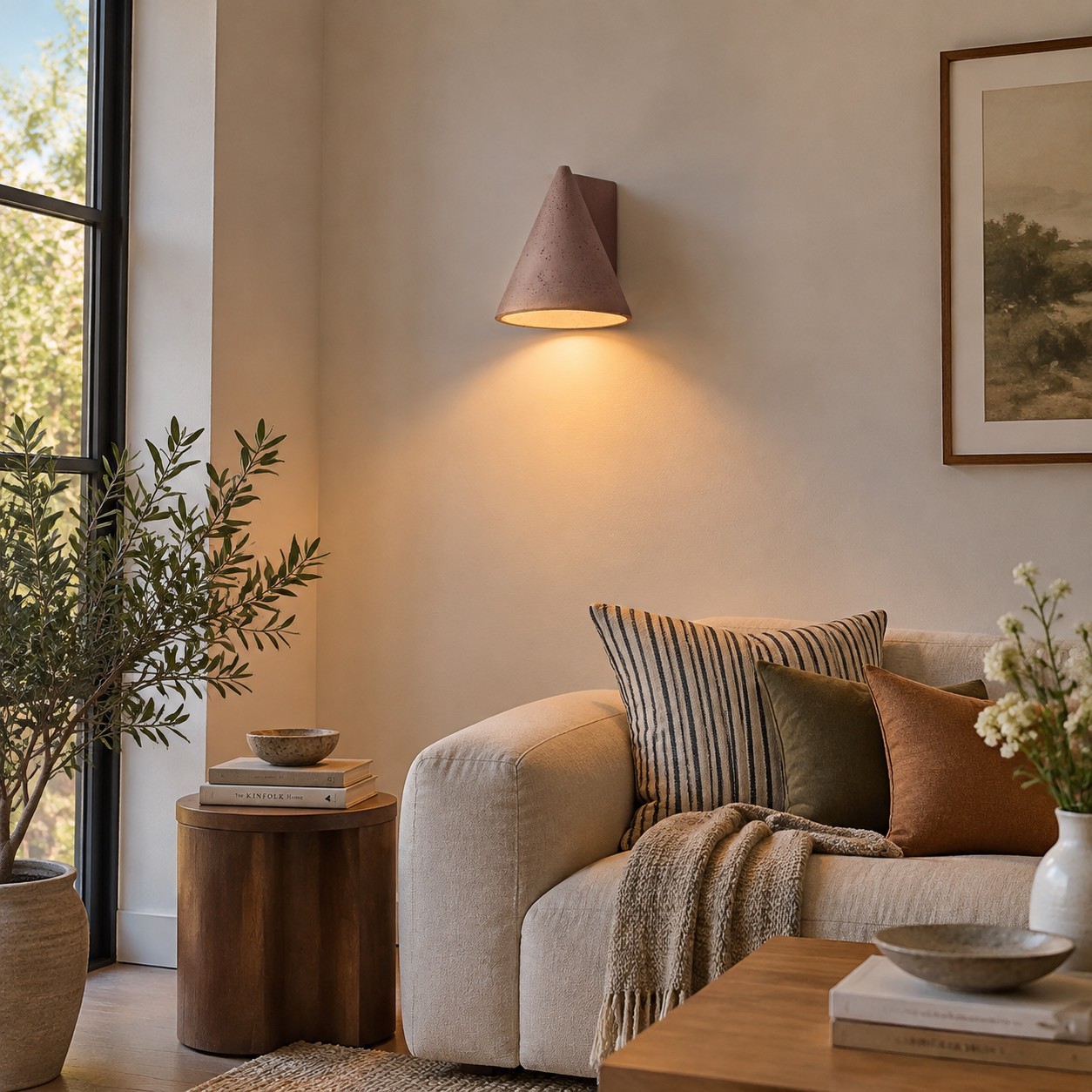
Turn off the overhead light before switching on anything else. That brief darkness helps you notice where light is actually needed: the route through the room, the chair where you read, the table where dinner lands. Then add light only to those places.
This is why several modest sources feel calmer than one powerful fitting. Each pool of light defines a small activity and allows the rest of the room to recede. Shadows are not evidence of failure; they are what give an evening interior depth.
Make one wall hold the mood
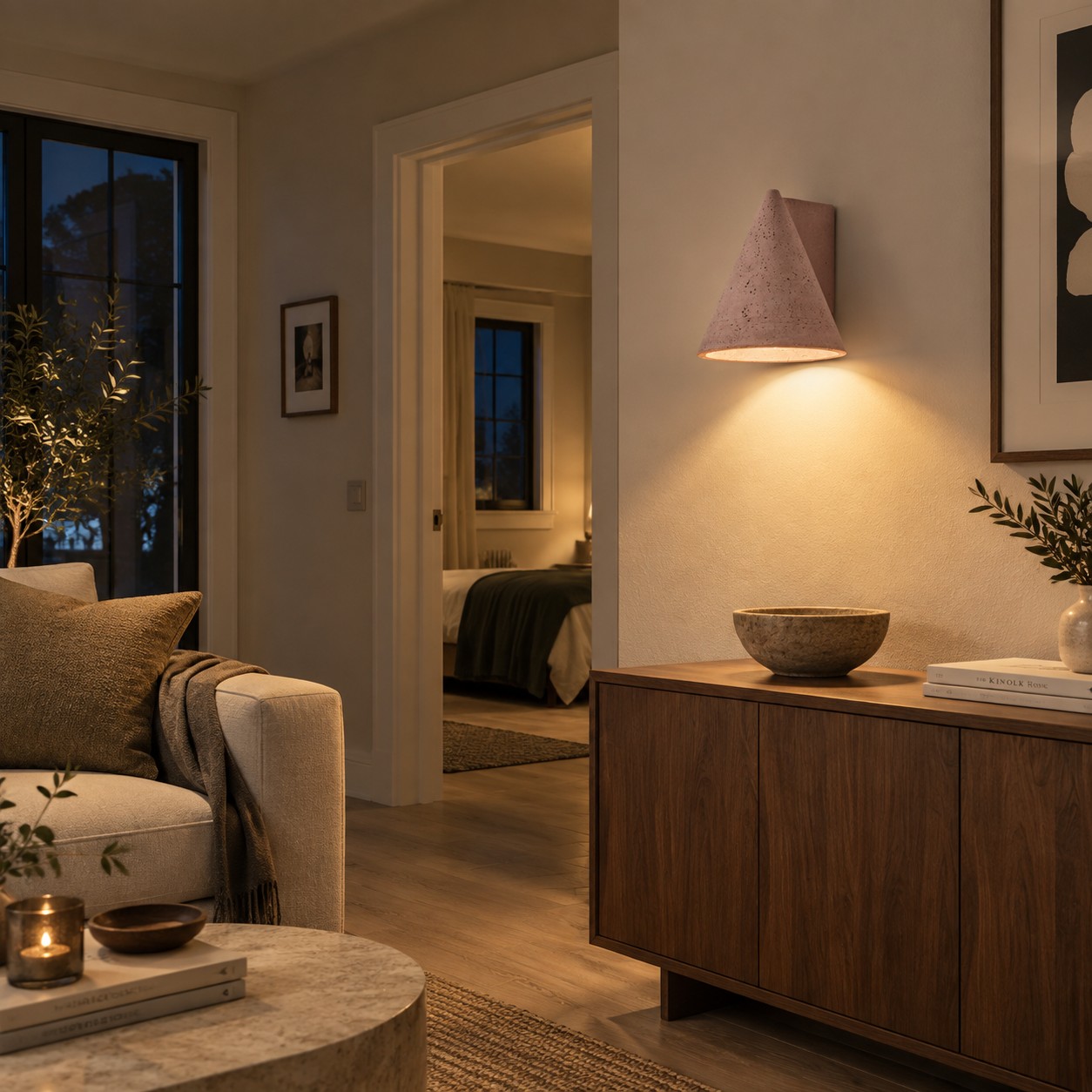
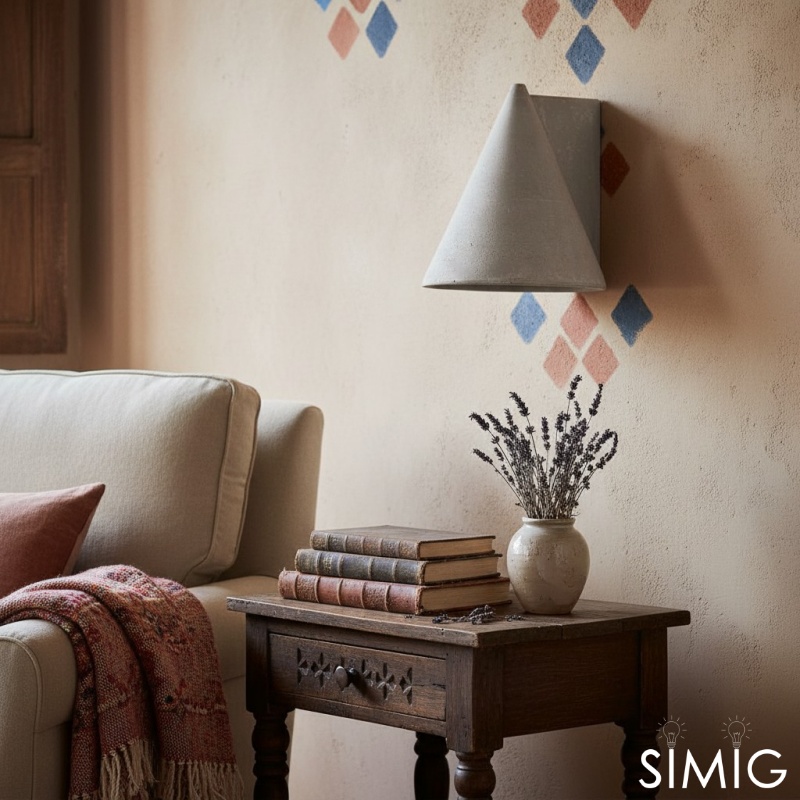
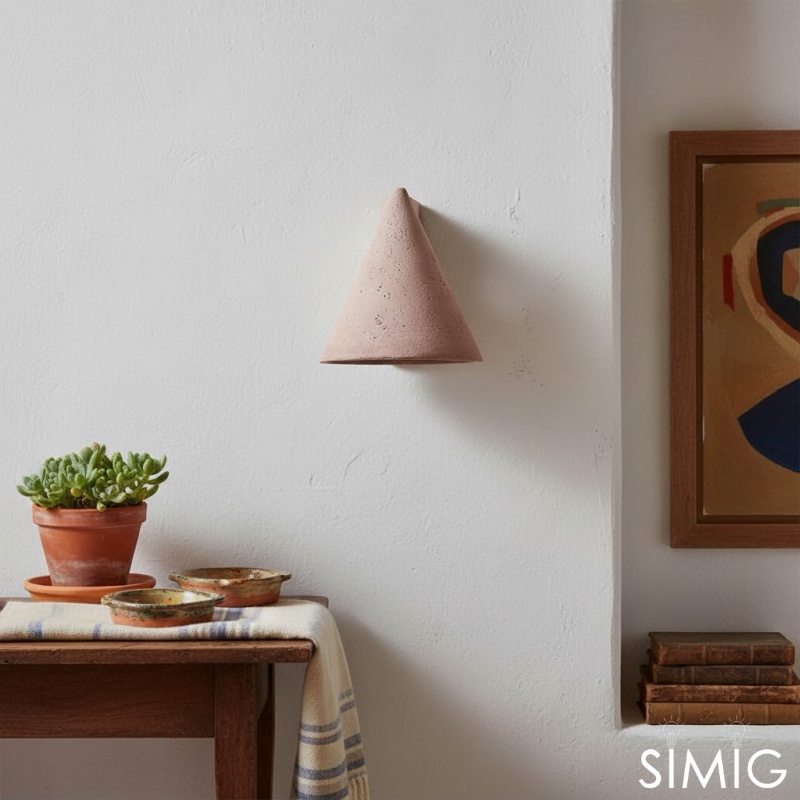
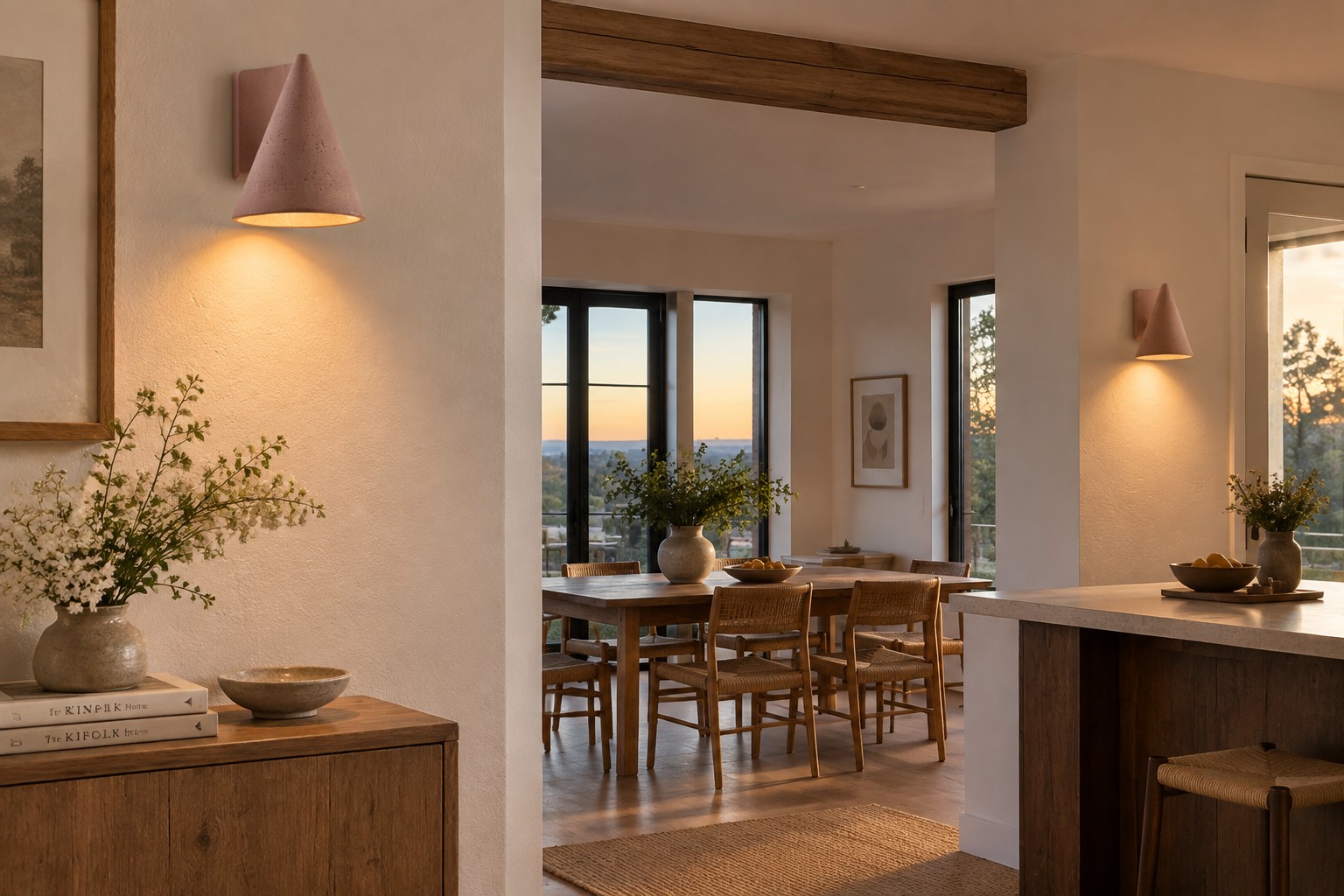
A wall light is especially good at announcing evening because it changes the architecture itself. The wall becomes warmer, texture appears and the room gains a visual centre. Unlike a table lamp, it leaves surfaces free for the items that inevitably accumulate by bedtime.
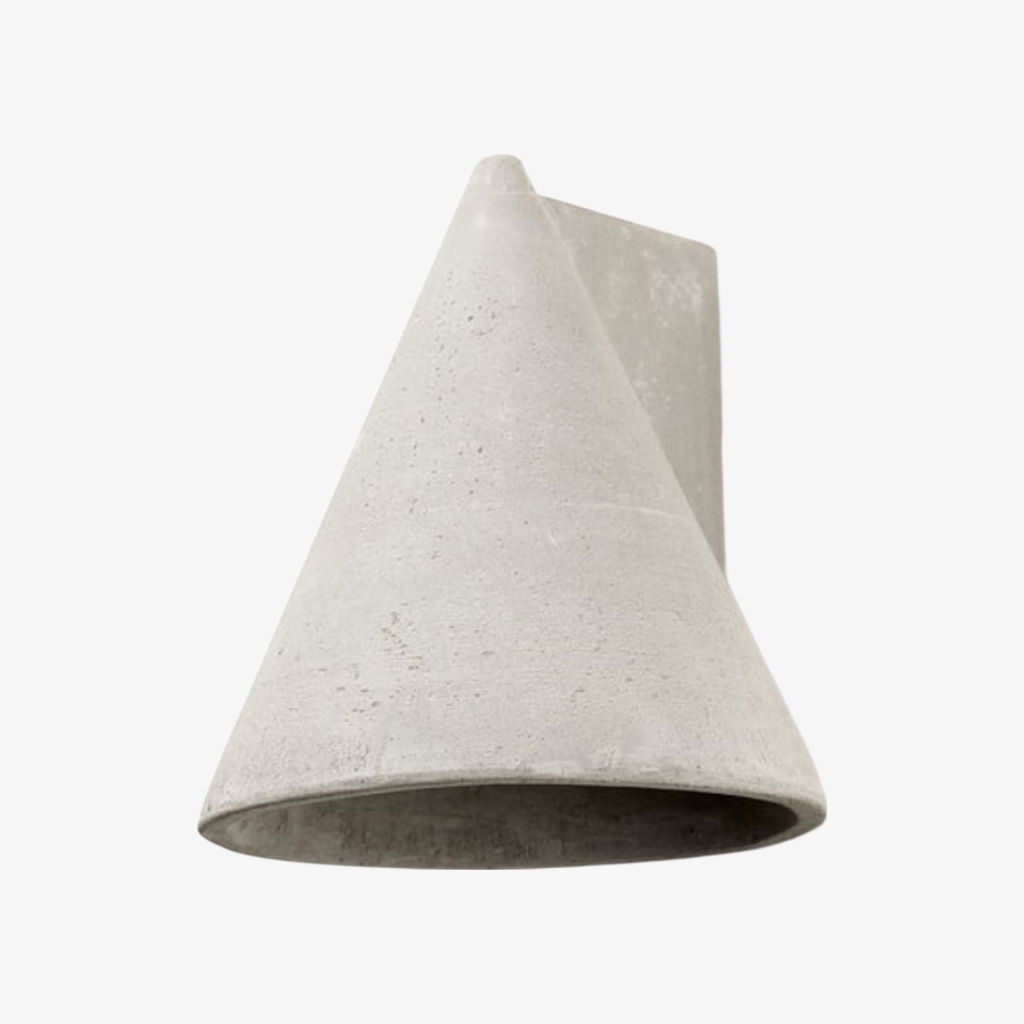
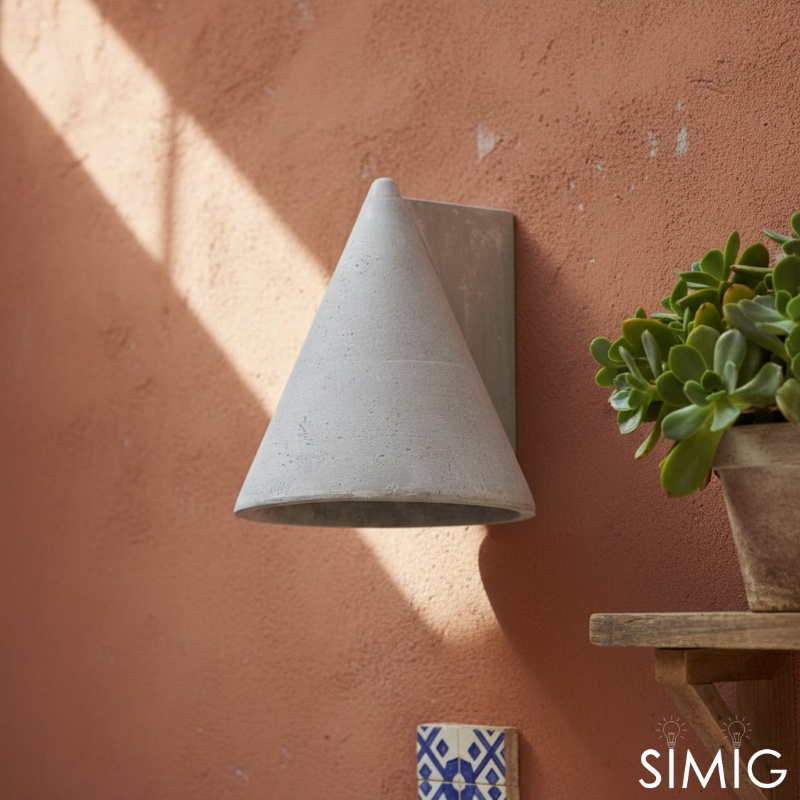
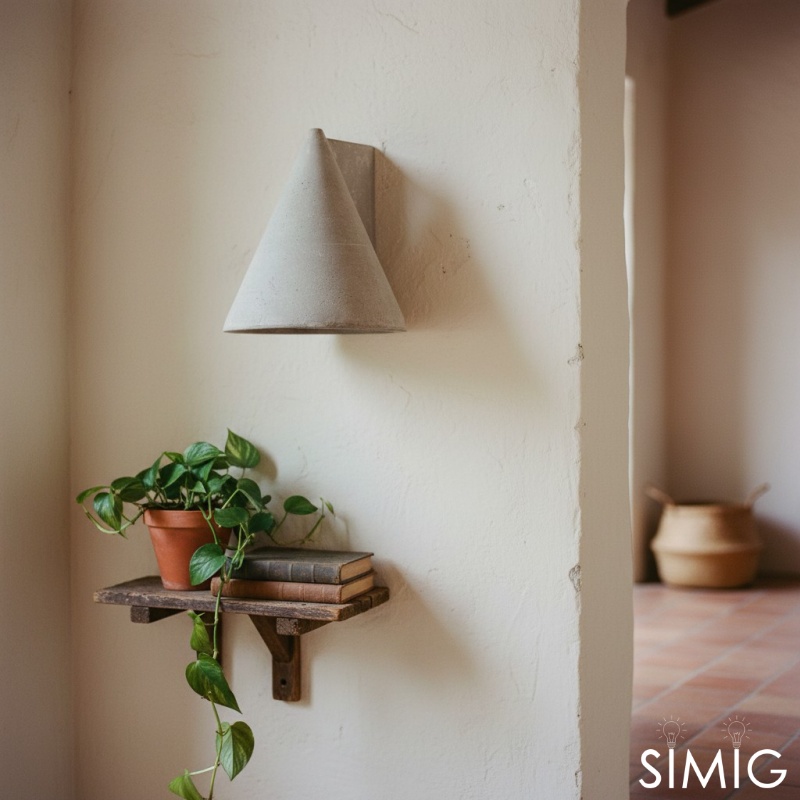
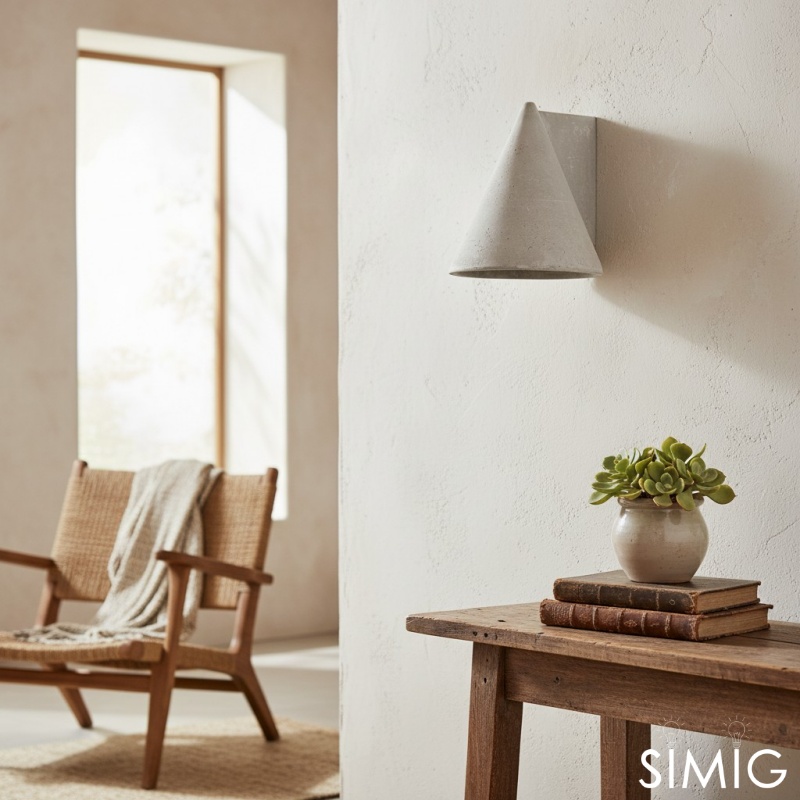
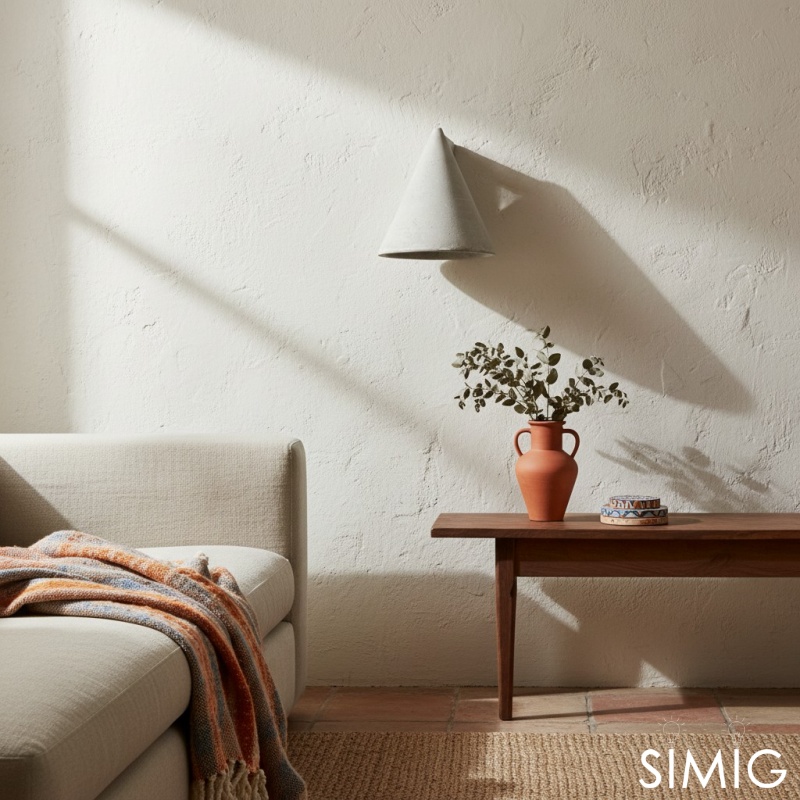
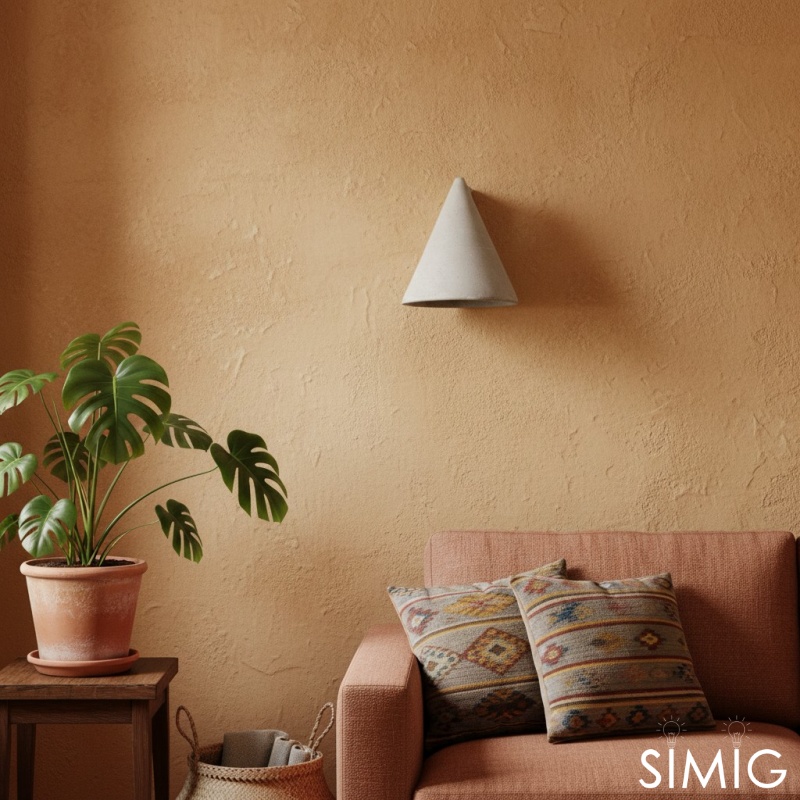
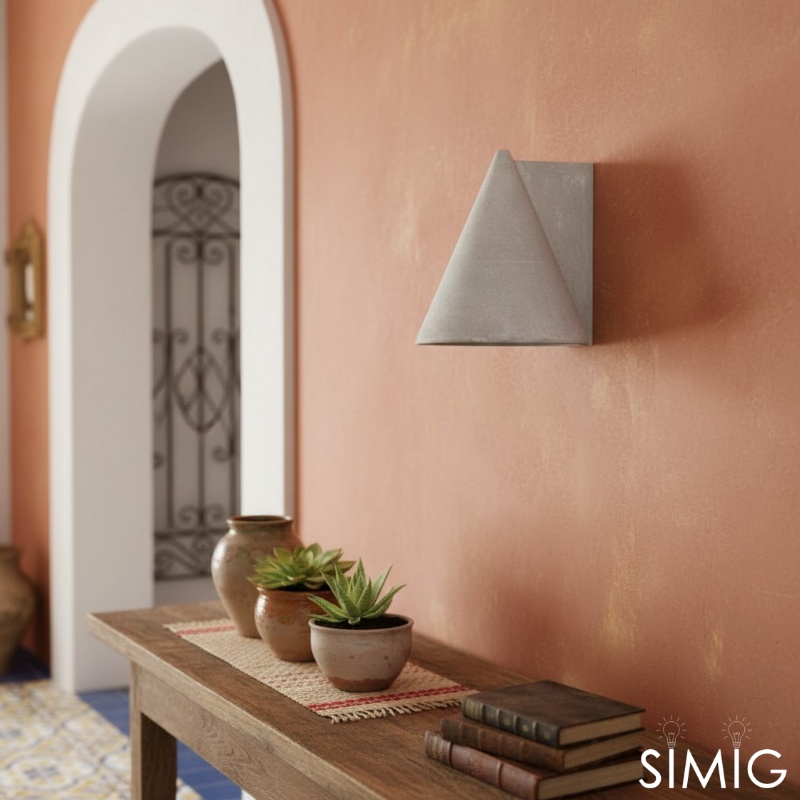
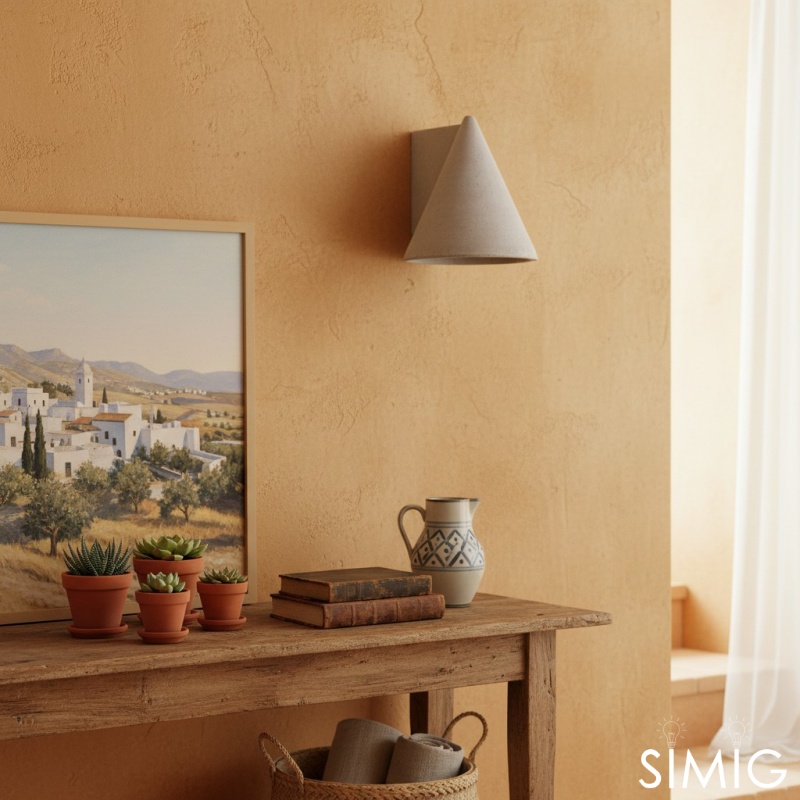
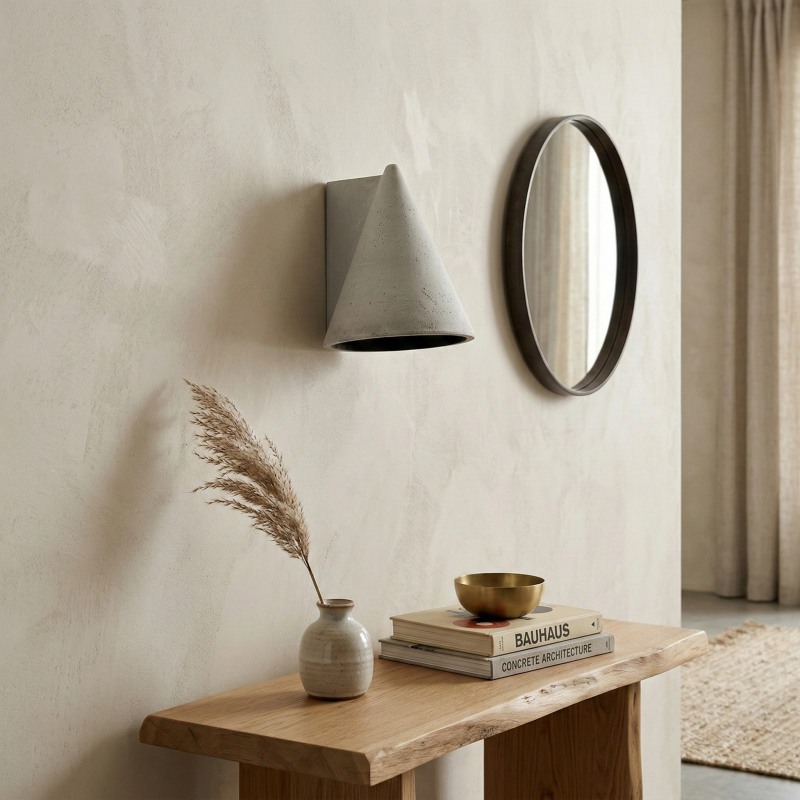
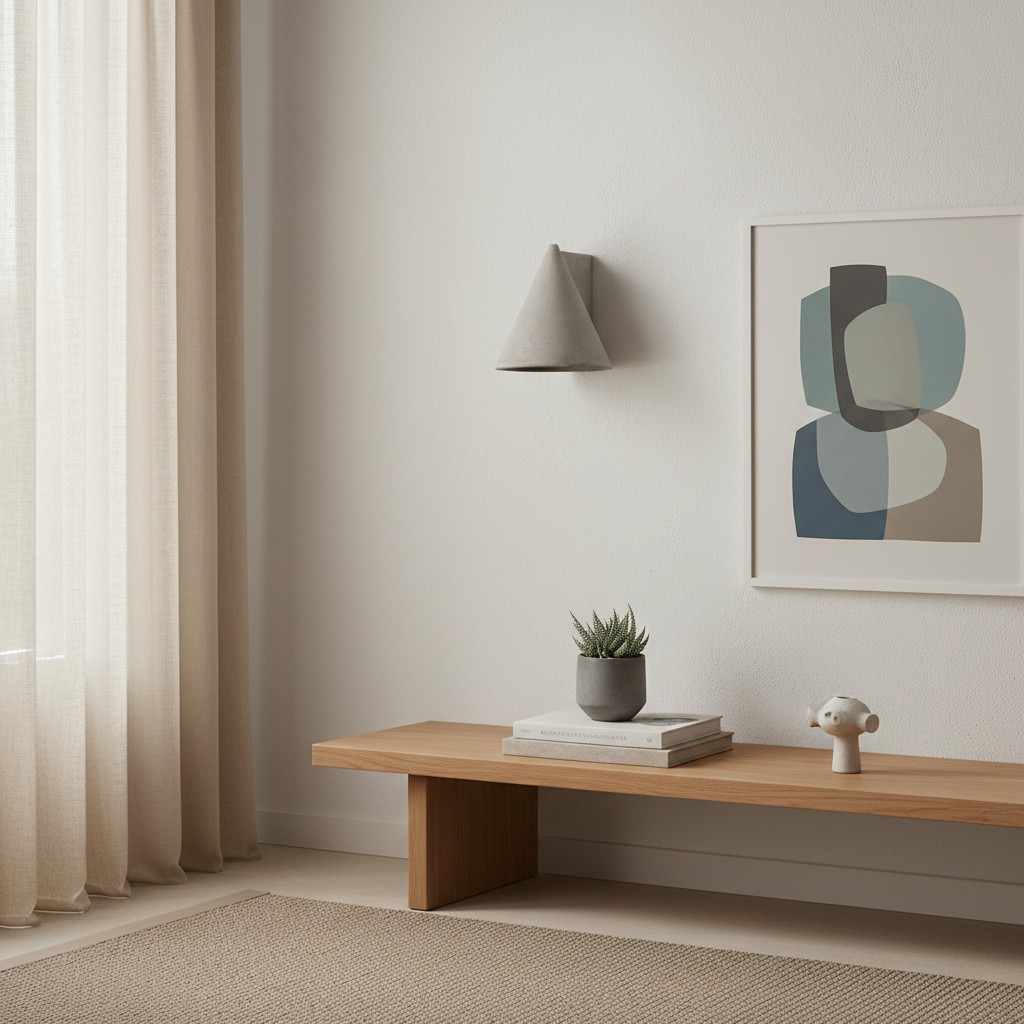
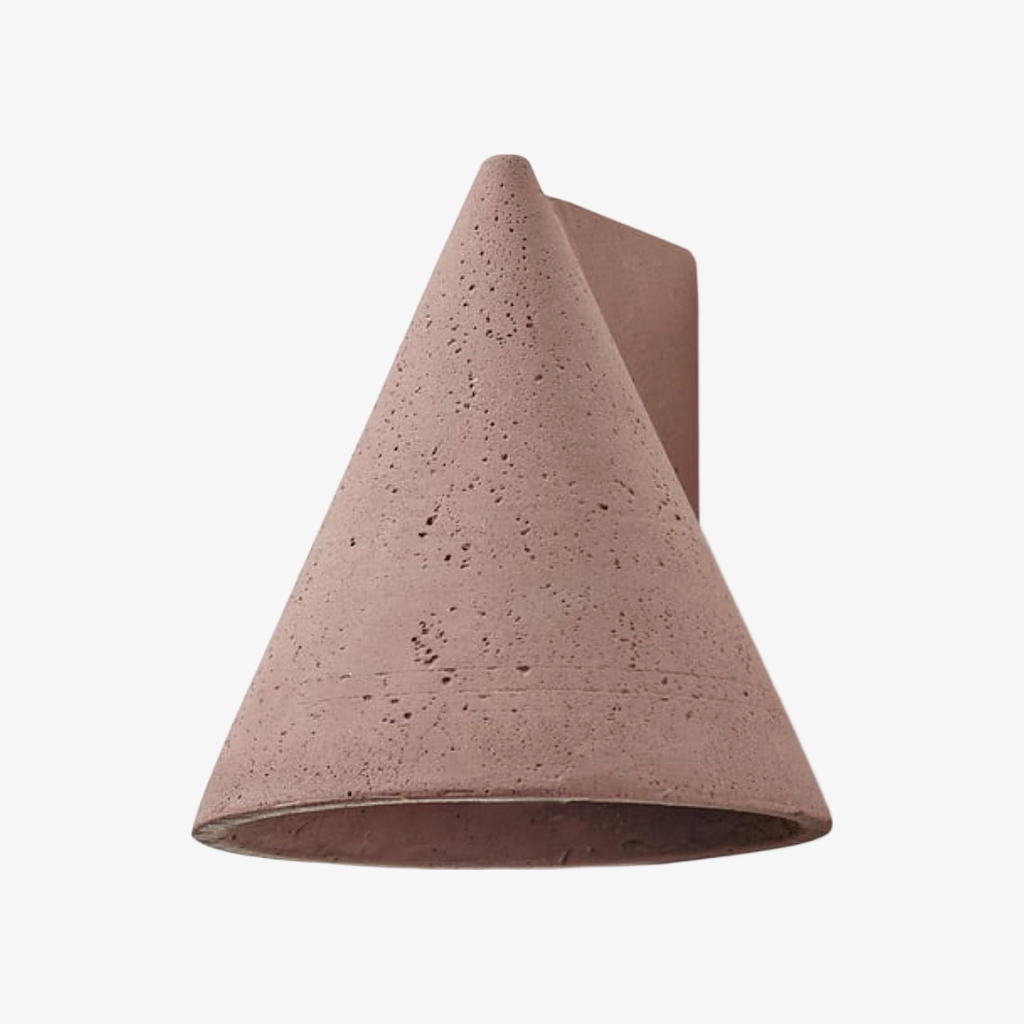
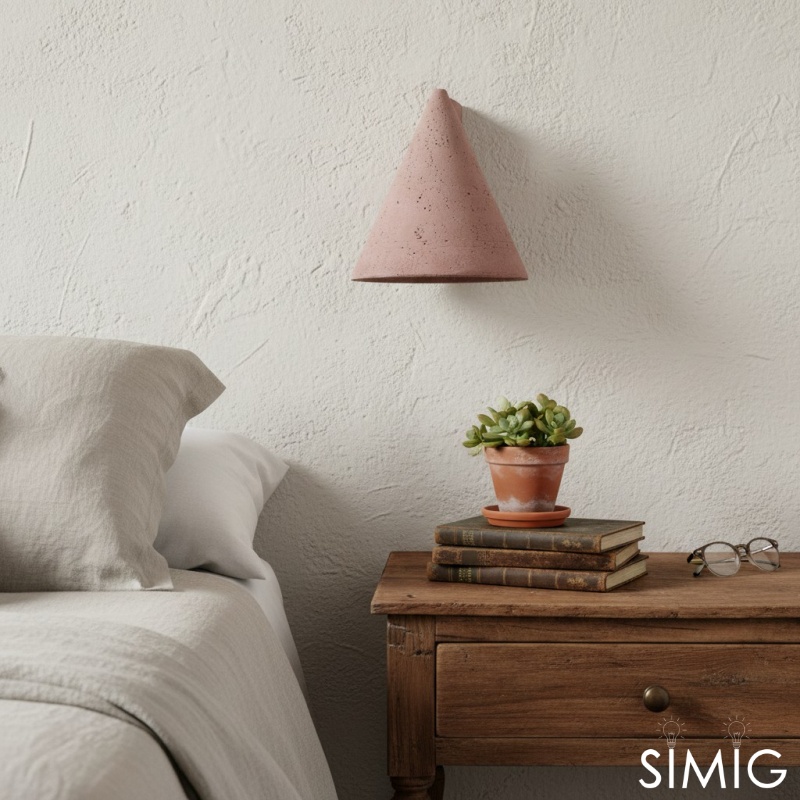
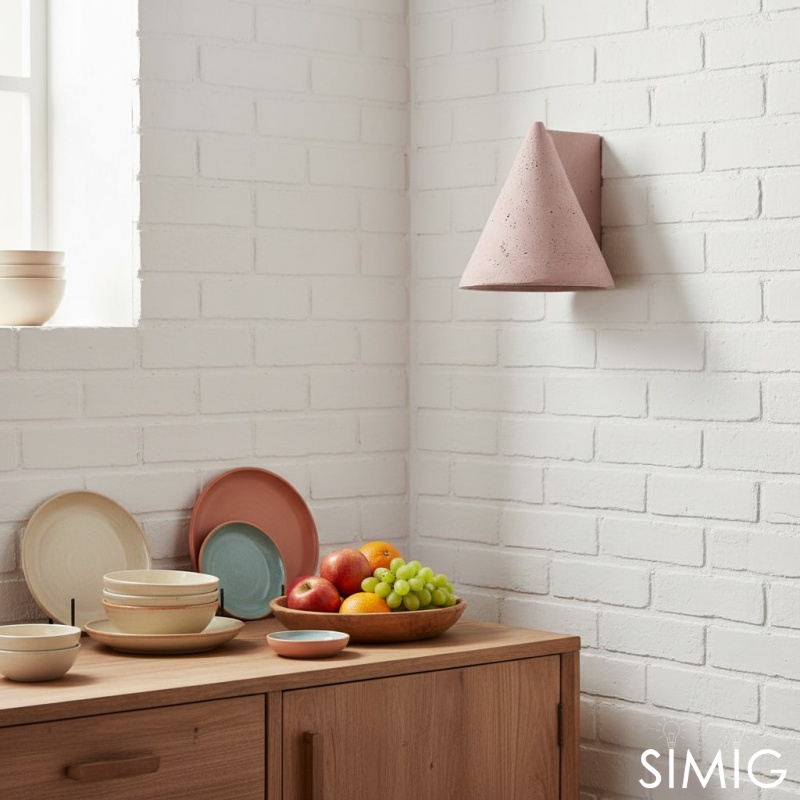
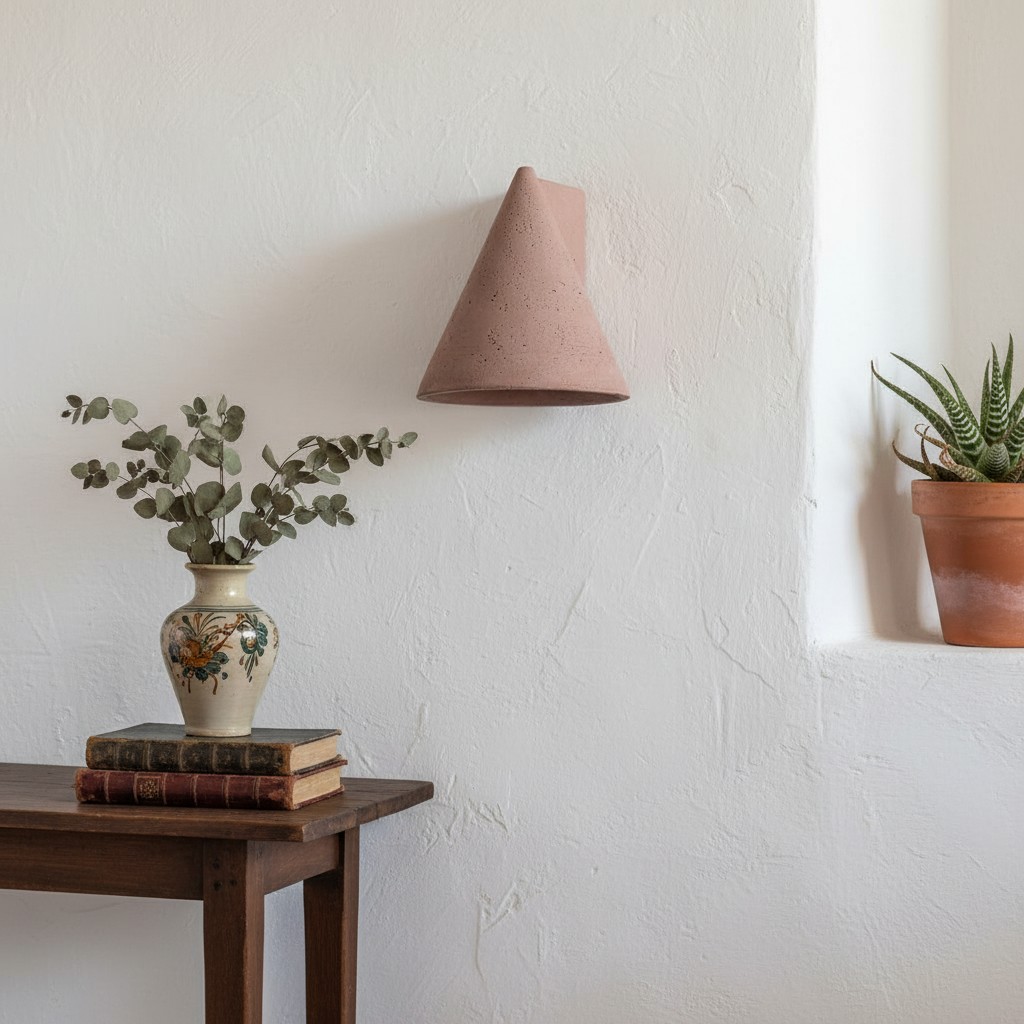
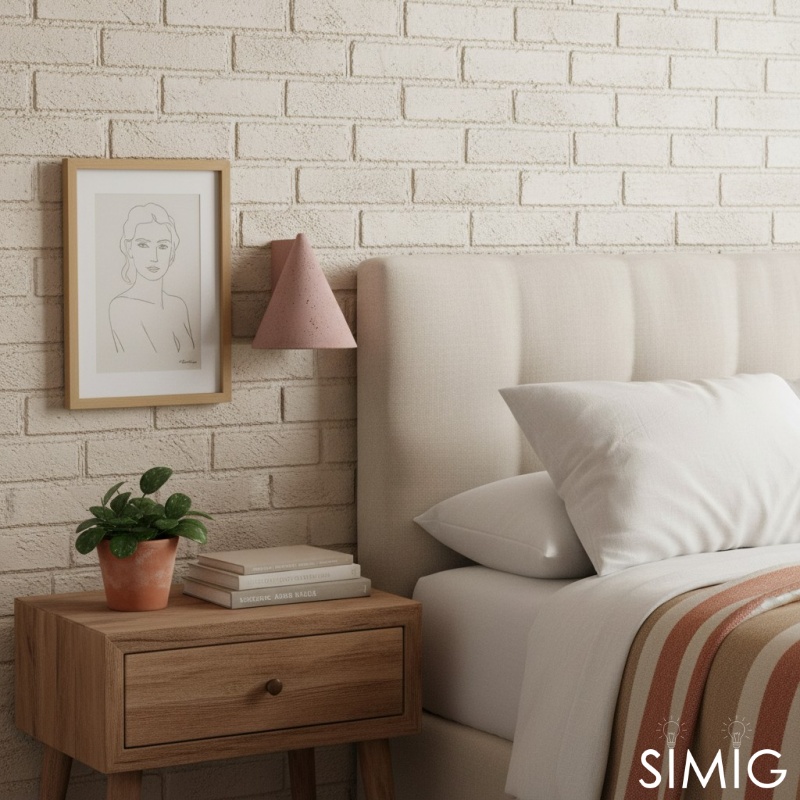
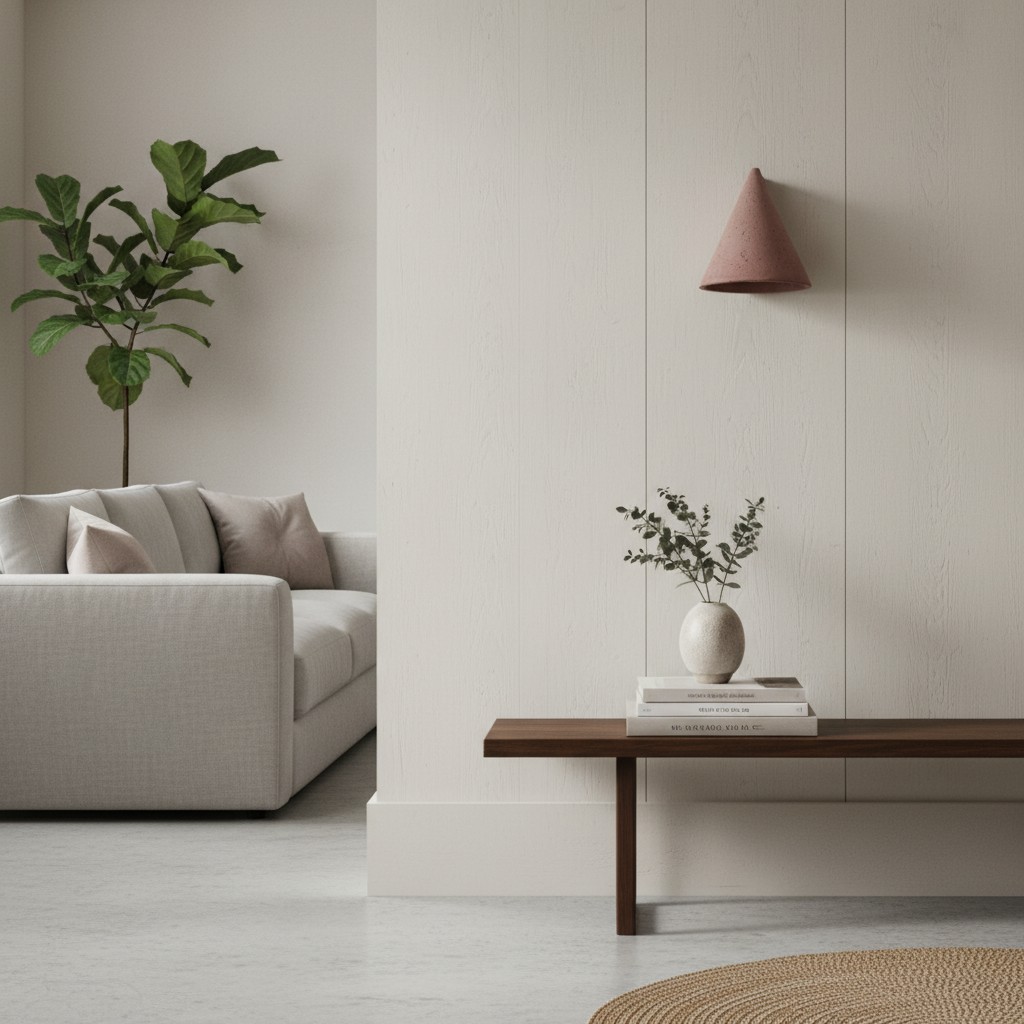
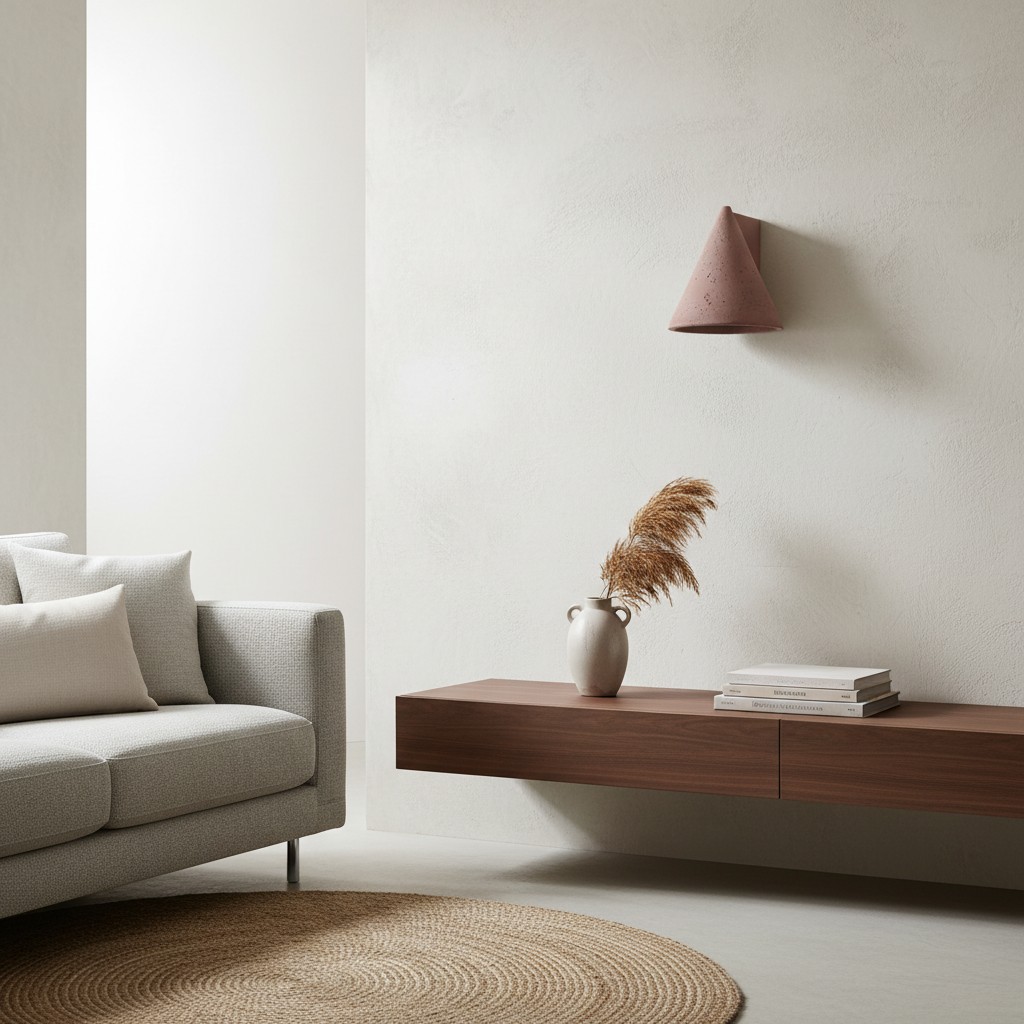
The Concrellia Tapered Concrete Wall Lamp has a solid, simple outline that reads in daylight and a compact scale suited to bedrooms, living areas and dining corners. Use it where its halo is visible from the main seat. The grey finish is quiet and mineral; brick red adds a warmer beat without demanding a full room makeover.
Let the route home become softer
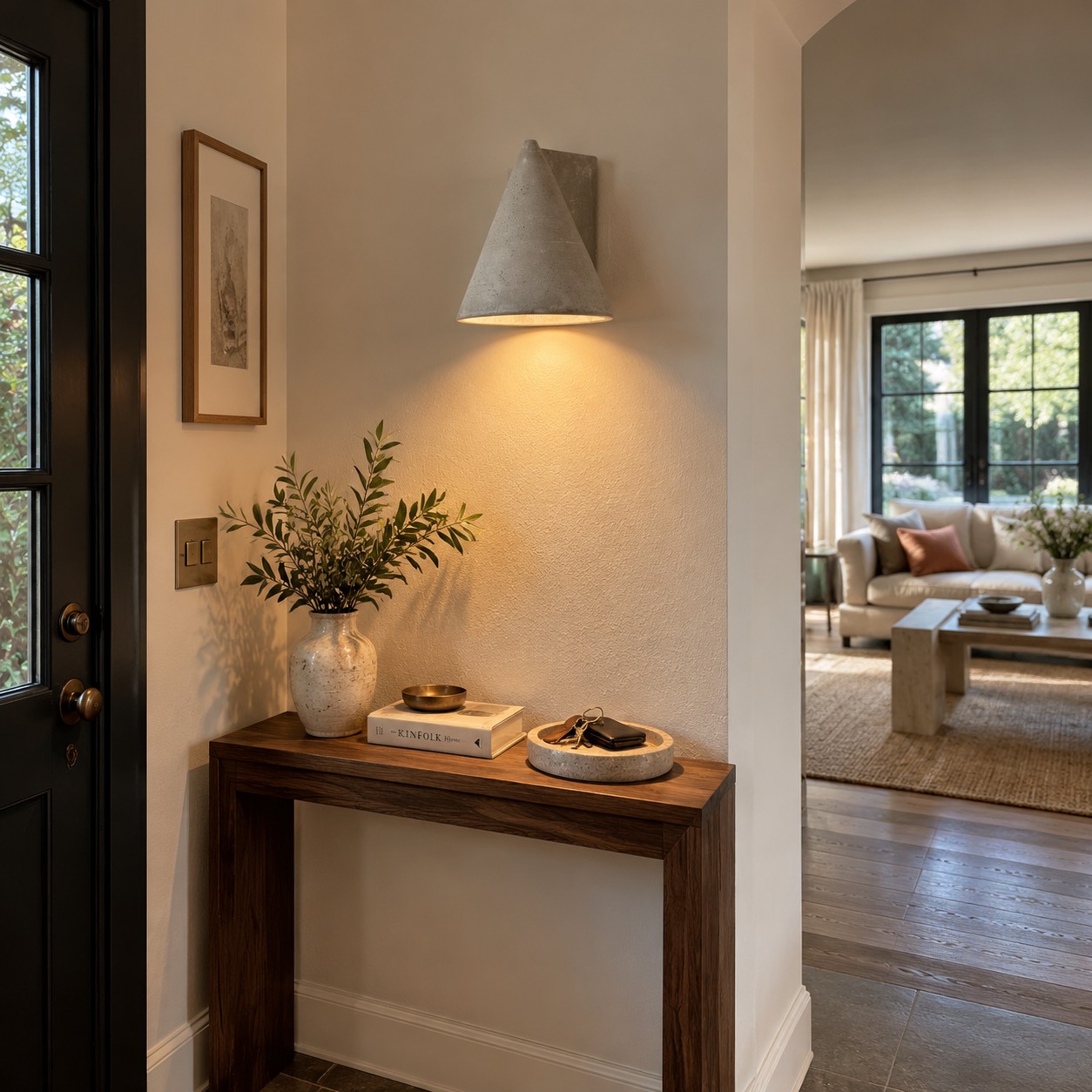
Keep circulation safe, of course. Stairs and changes in floor level need clear illumination. Calm does not mean navigating the house by memory. The useful distinction is between guidance and glare: light the path, not every square centimetre around it.
Give dinner its own atmosphere
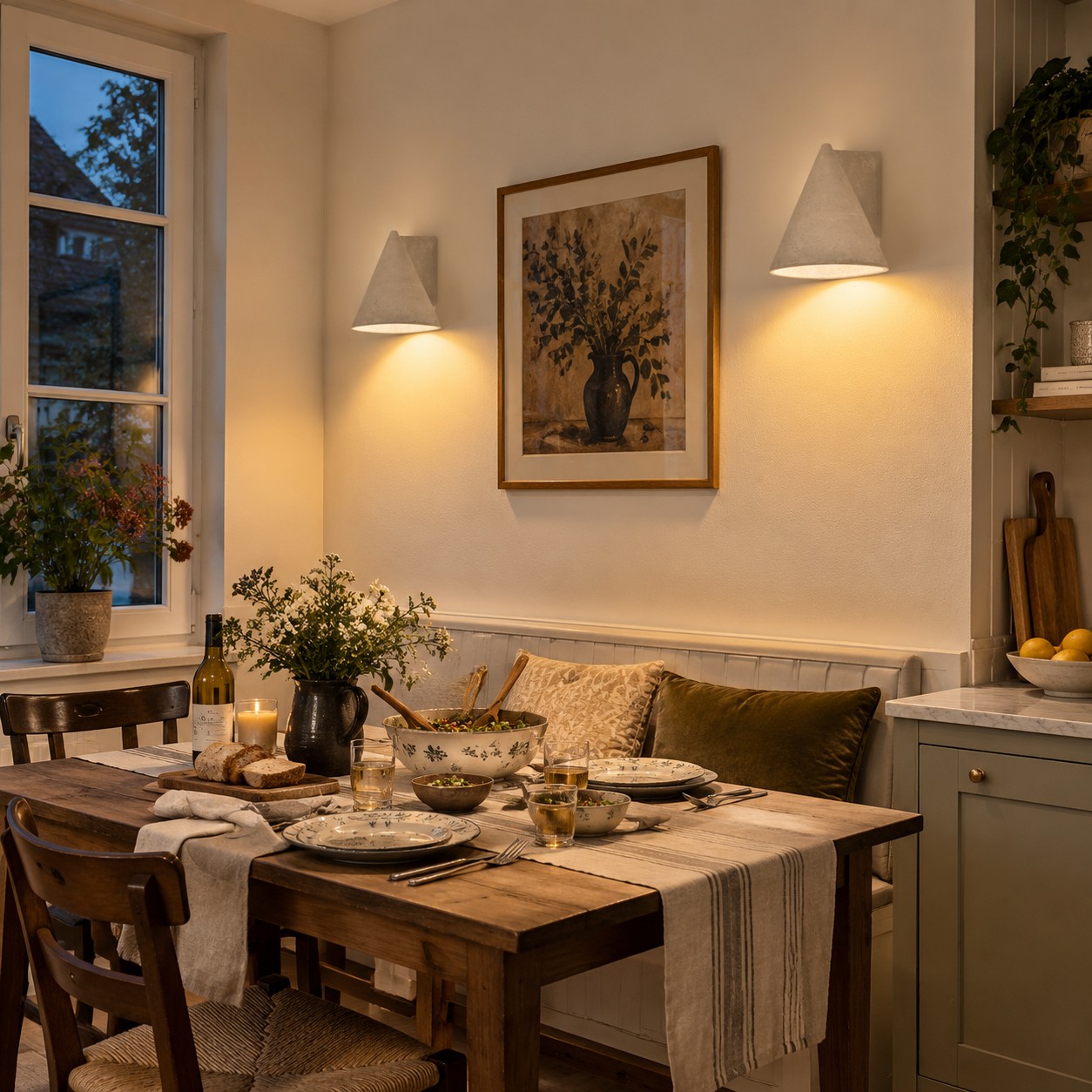
Once cooking is finished, turn off the strongest kitchen lights and keep a lower source near the table. Food, timber and ceramics generally look better under warm light, while the unwashed pan becomes less of a headline. This is not denial; it is sequencing. The pan will still be available for judgment later.
For layouts with fixed seating, Wall-Lighting Ideas for a Dining Banquette or Breakfast Nook explains how to avoid seated glare and relate a fixture to the table rather than the ceiling. The same principle works at any dining spot: locate light around the activity and check it from the chair.
Make the living room visually smaller
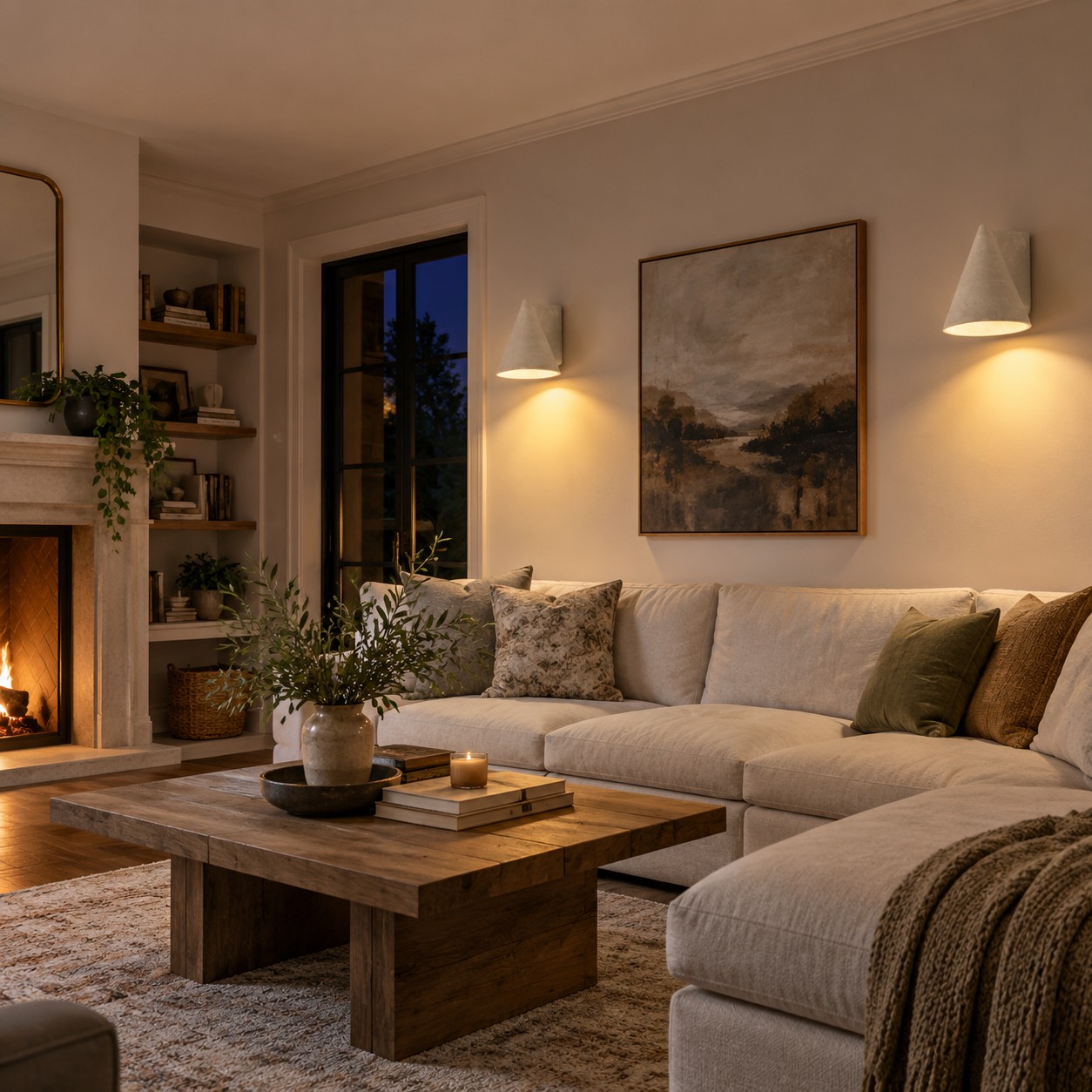
Large rooms can feel exposed at night when everything is illuminated evenly. Use a floor lamp by the sofa, a wall light across the room and perhaps a small lamp on a shelf. These points draw an intimate boundary around the occupied area even when the architecture is open-plan.
Aim for overlap rather than isolated bright islands. From the sofa, you should be able to see the next pool of light without crossing a black void. The effect is gentle continuity, like a series of visual stepping stones.
Protect the last hour before sleep
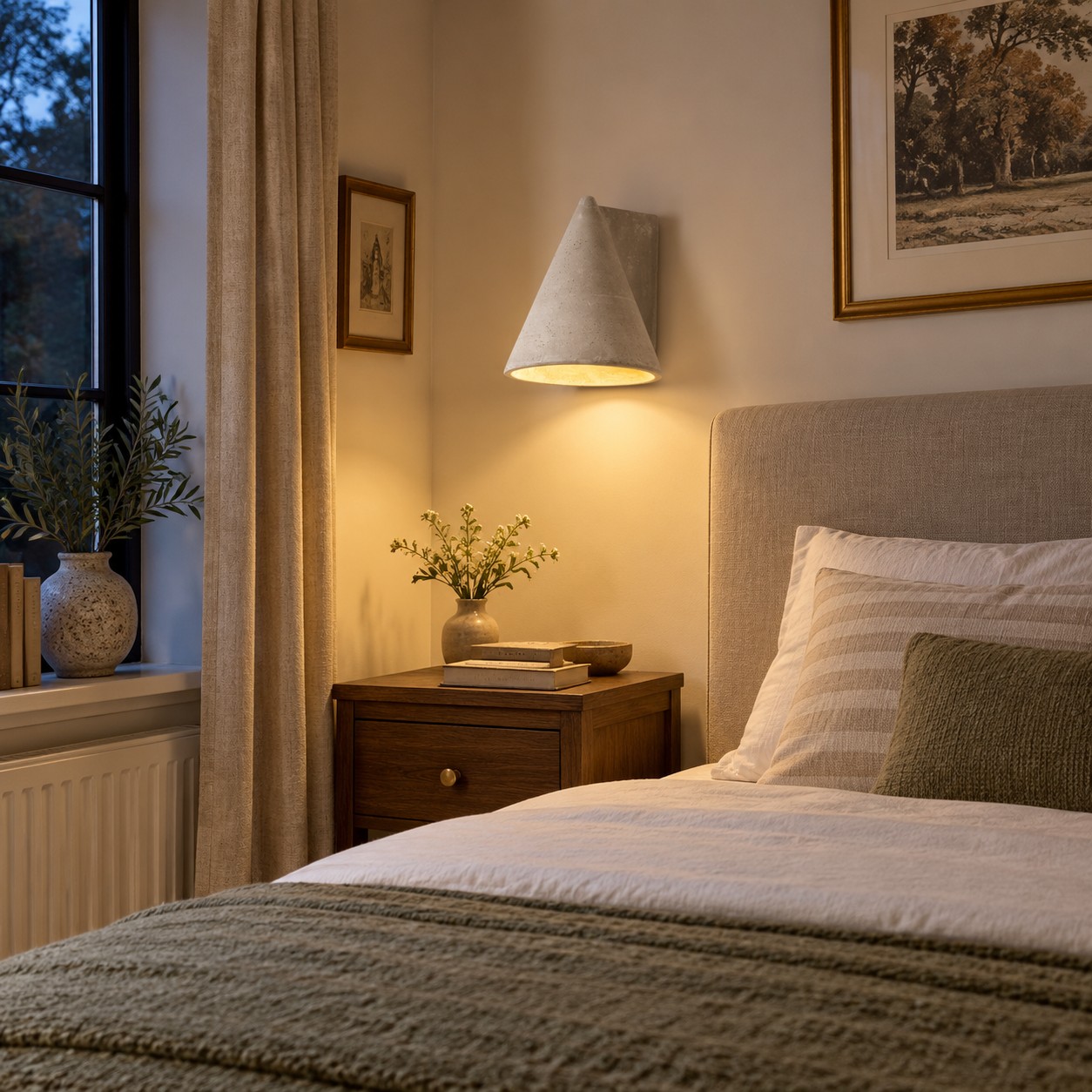
In the bedroom, use the lowest light that still lets you move comfortably and prepare for bed. A warm wall light can replace a lamp on a small bedside table, though reading needs a source positioned and directed for the page. Decorative ambience and task lighting are related, not interchangeable.
Keep the shade or bulb outside your direct lying-down sightline. Test the placement from the pillow, not only while standing beside the bed. The compact concrete wall lamp works best as a soft architectural layer; pair it with a proper reading light if novels are part of the routine.
Use material to quiet visual noise
Calm rooms are not necessarily pale rooms. They are rooms where materials make sense together and attention is not pulled in six directions. Matte concrete absorbs visual fuss better than a highly polished surface. Its slight irregularity also keeps minimal spaces from feeling sterile.
If a bright room still seems oddly vacant, What to Do When a Room Has Light but Still Feels Visually Empty offers a useful diagnosis: add hierarchy before adding objects. One textured fitting and its glow can be more grounding than another shelf of decorative things.
A reset that survives real life
Make the routine easy enough to repeat. Put lower lights on accessible switches. Use compatible dimmers when appropriate. Keep bulb colour temperatures consistent within the same view. If activating the “relaxing” scheme requires crawling behind a chair and operating four different plugs, it will last three evenings.
Also keep one practical setting. Sometimes you need to find a missing key, remove a splinter or discover exactly what the dog tracked across the floor. Calm lighting is a mode, not a moral position.
Your five-minute sequence
- Switch off work screens and the brightest ceiling lights.
- Turn on one warm light at the room’s visual anchor.
- Add task light only where an activity needs it.
- Clear one surface in the main sightline.
- Leave the next room softly visible rather than fully lit.
The clearing step matters because light directs attention. A beautiful glow aimed at a tangle of charging cables is still aimed at a tangle of charging cables. Give the evening light something calm to reveal.
Frequently asked questions
Do I need smart lighting?
No. Separate switches and a few well-placed lamps can create an effective evening scene.
What makes lighting feel cosy?
Warm colour, lower placement, controlled brightness and several overlapping pools of light.
Can wall lights replace ceiling lights?
They can handle much of the evening ambience, but practical tasks may still need brighter general or task lighting.
Should every room use the same bulb colour?
Not necessarily, but lights visible together should be close enough in warmth to avoid a patchy effect.
End the day with a smaller horizon
A calmer home is not created by banishing every bright bulb. It comes from using brightness at the right time, then letting the house soften around the life taking place inside it. If one wall needs to carry that transition, consider the Concrellia wall lamp as a warm, sculptural cue: switch it on, switch the big light off, and allow the room to stop performing.