The Hotel Room Guests Remember: 6 Wall-Lighting Moves That Make a Stay Feel Special
A memorable hotel room is rarely the brightest room. It is the one that greets you well, lets you find the bathroom at 2 a.m., and somehow looks better after the big light is switched off.
Guests do not arrive as neutral observers. They arrive with a suitcase wheel that has just fought the pavement, a phone at 12 percent, and a strong desire to understand the room without studying it. This is where good hotel lighting earns its keep. It quietly answers three questions: Where do I put my things? How do I relax here? Can I move around without turning on something fierce?
Boutique hotels are good at this because they tend to treat light as part of the stay rather than a final layer of equipment. The most successful rooms do not announce the lighting scheme. They simply feel easy, flattering, and a little different from home—in the right way.
1. Give the entrance a destination
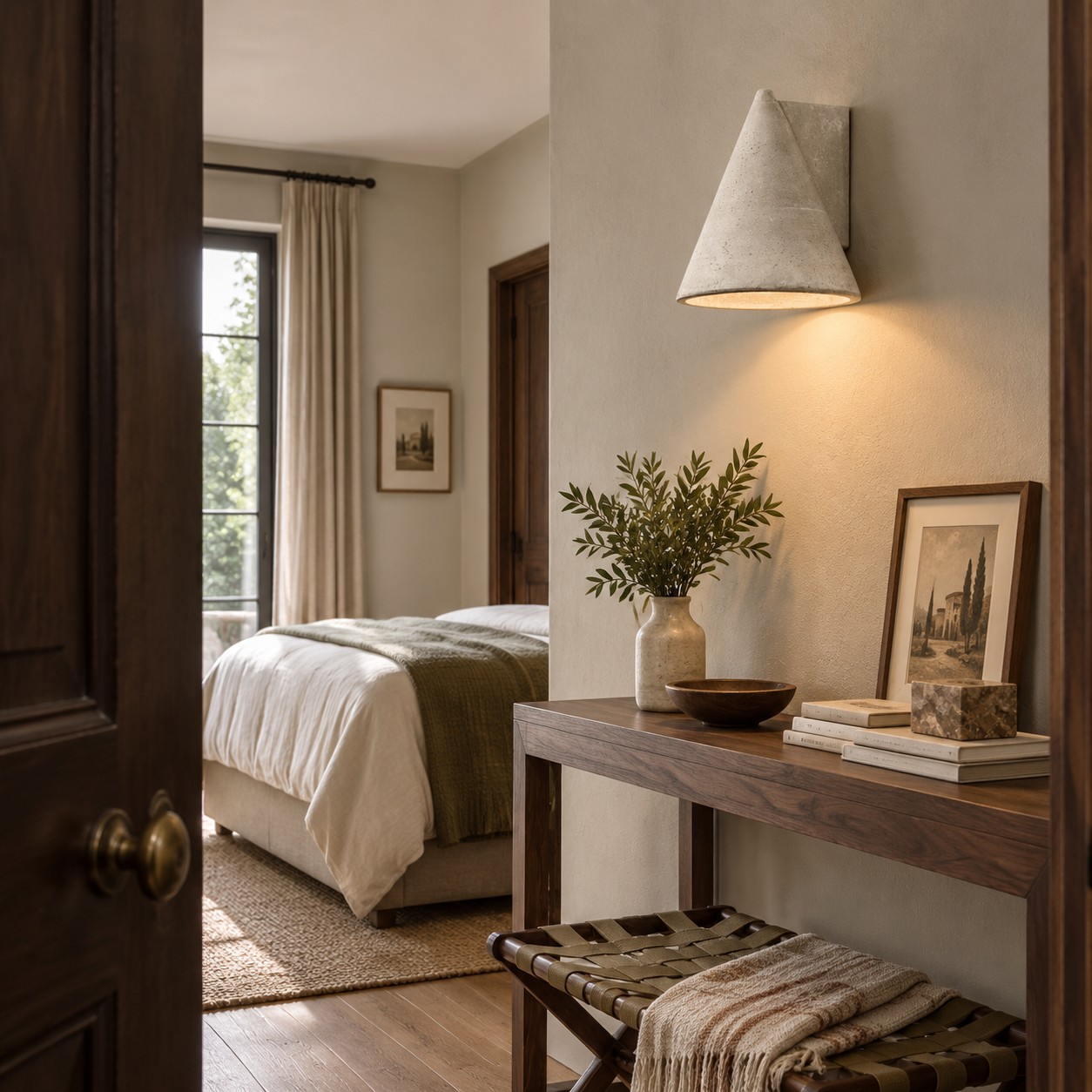
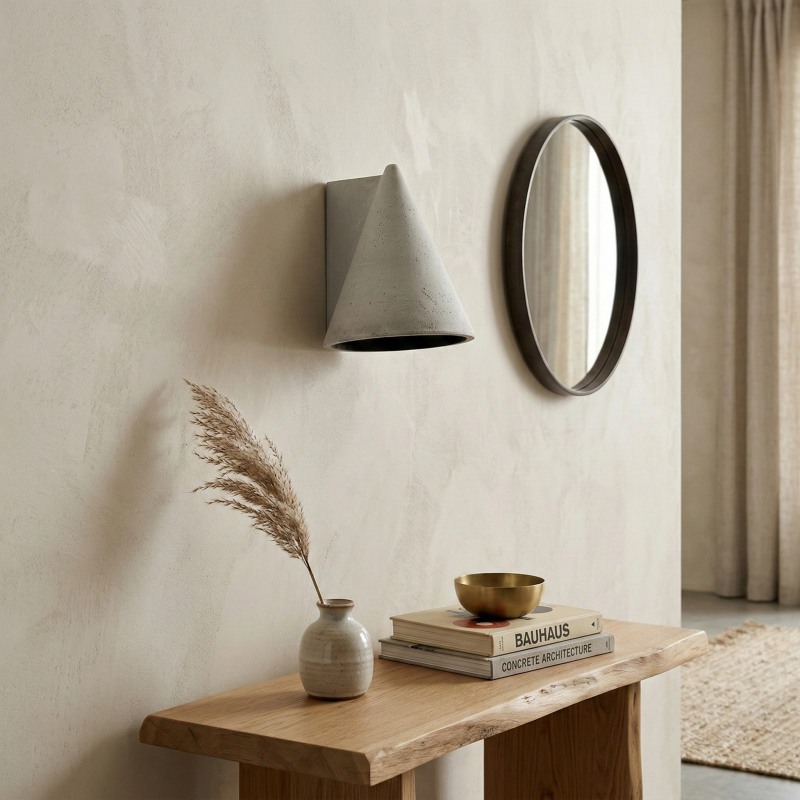
Open a hotel-room door and the eye needs somewhere to land. If every surface is equally bright, the bed, desk, television, luggage rack, and minibar all compete at once. A wall light at the end of the first sightline gives the room a visual full stop. It might sit above a slim console, beside a mirror, or on the short wall beyond the bed.
This is not about adding drama for a photograph. It helps the guest read the room. A softly lit destination pulls attention past the practical clutter near the door and makes even a compact floor plan feel more deliberate. The same idea works at home, as explored in How to Give a Blank Wall a Focal Point Without Hanging More Art.
2. Make the bedside obvious without making it boring
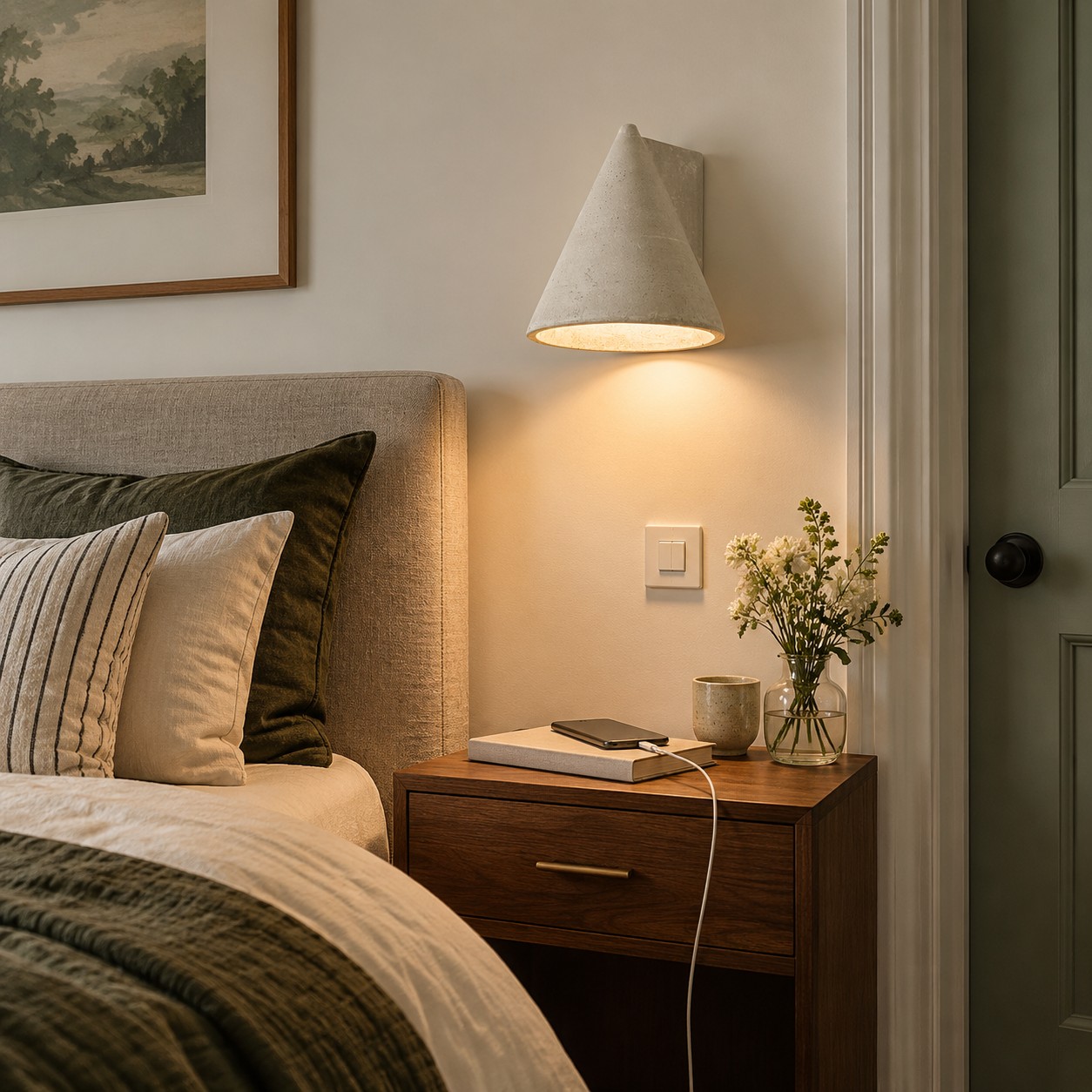
At home, you can find the bedside switch half asleep. In a hotel, every switch is a small mystery. Good bedside lighting is visible, reachable, and simple enough to operate without a trial run. The light should fall across a book or phone without shining straight into the other side of the bed.
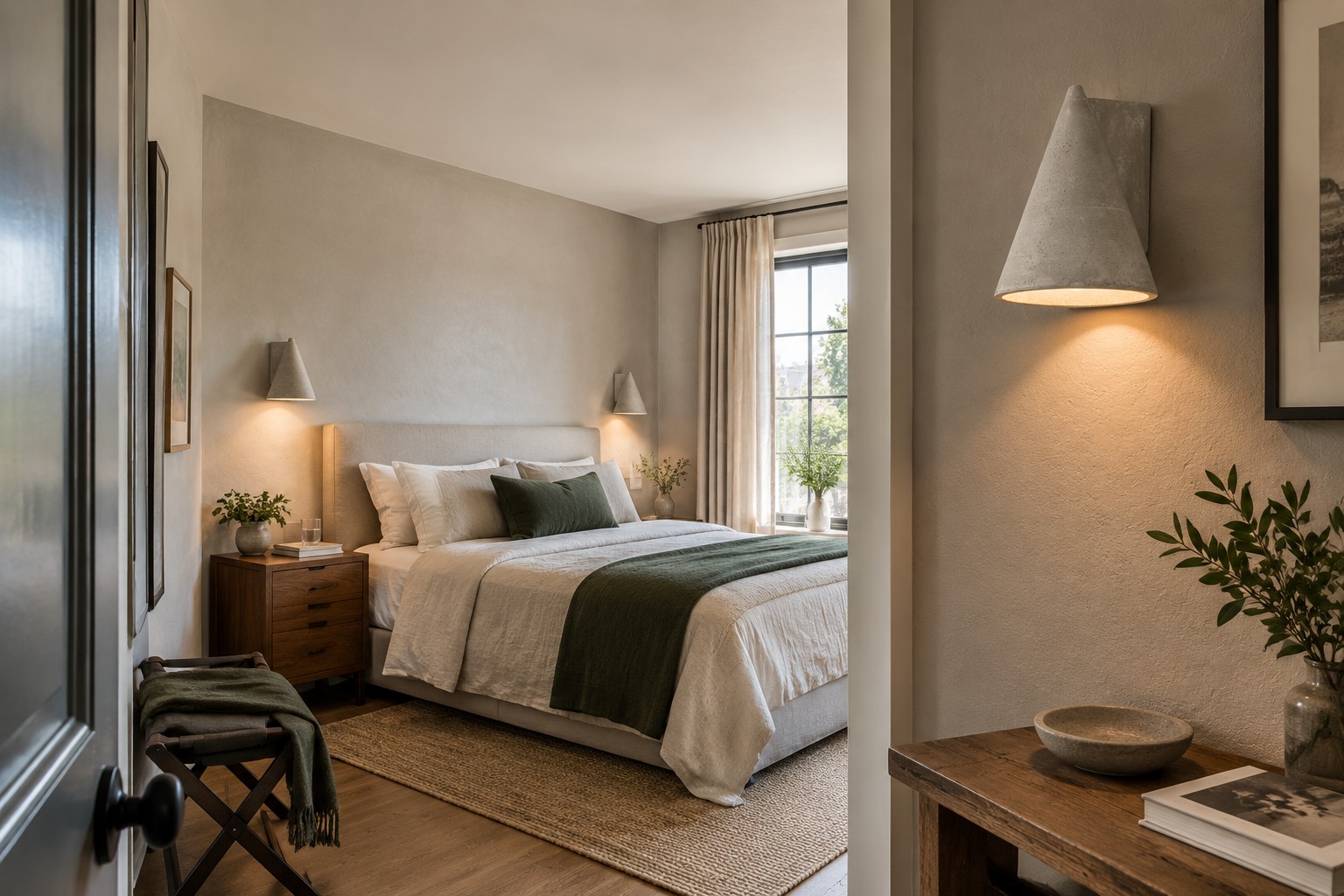
Wall-mounted fittings also clear the bedside surface, which guests immediately fill with chargers, glasses, keys, and the receipt they swear they will keep. A sculptural fixture can add character here, but function comes first: the switching must be clear, the light must be comfortable, and paired fittings should behave the same way.
3. Light the mirror for a real morning, not an empty-room photo
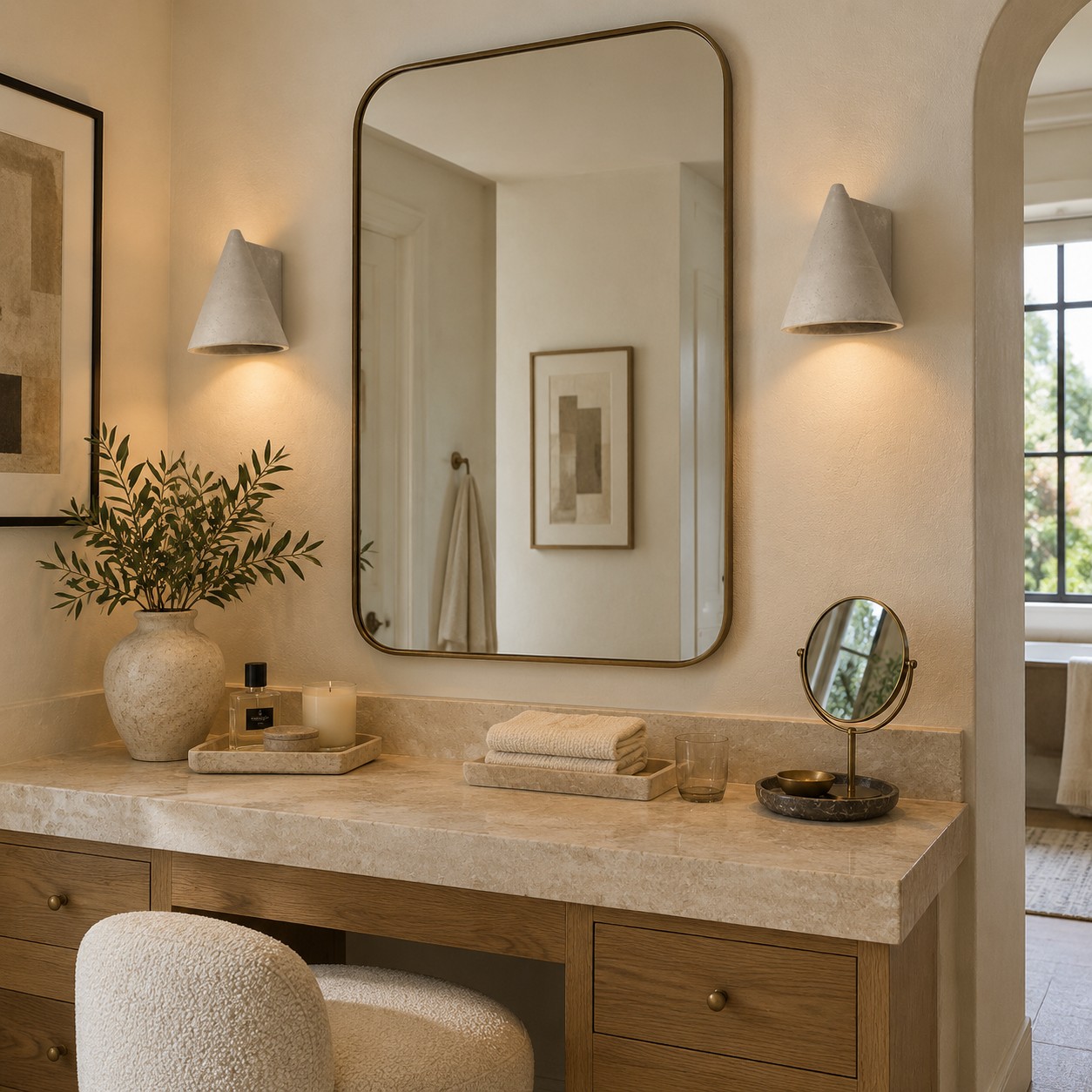
A mirror lit only from above is excellent at creating shadows under the eyes. That may look sleek in a design shot; it is less charming when a guest is shaving, applying makeup, or checking whether yesterday’s travel face has improved. Side light is kinder and more useful because it reaches the face more evenly.
The practical move is to separate mirror lighting from the room’s decorative glow. The mirror needs clarity. The nearby wall light can carry atmosphere. Asking one small fitting to do both jobs usually leaves one of them disappointed.
4. Design the 2 a.m. route
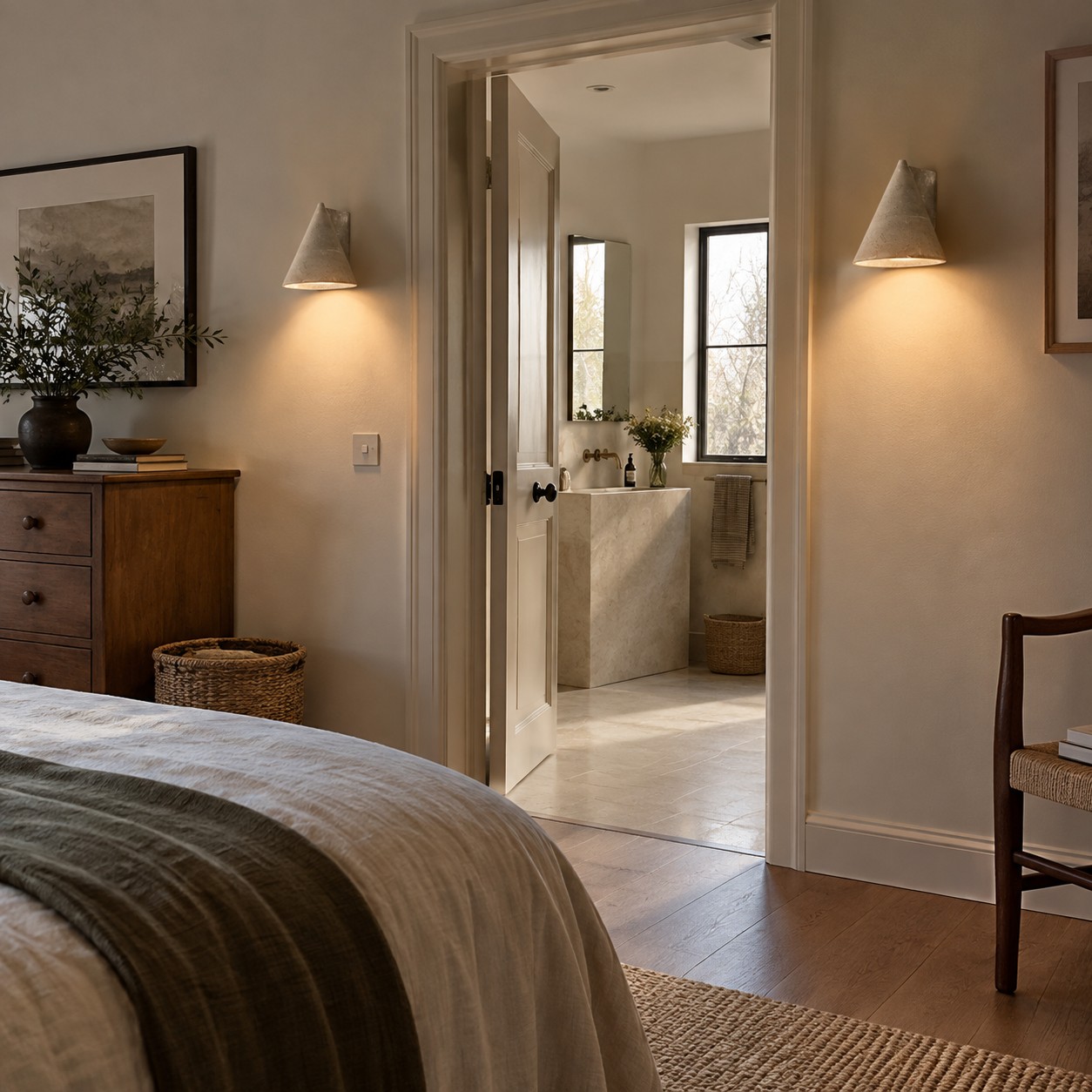
The most revealing test of a hotel room happens when nobody is taking pictures. Can a guest get from bed to bathroom without switching on the ceiling light, waking a partner, or meeting the corner of a chair? A low, warm layer near the route is more useful than a beautiful fitting placed where it cannot help.
Wall lighting near the entry or bathroom approach can provide orientation without flooding the room. Keep it warm and modest. The aim is not to recreate daylight; it is to make doorways, floor changes, and furniture edges legible. This is one reason several small light sources usually feel calmer than a single bright one.
5. Choose one fixture guests could describe later
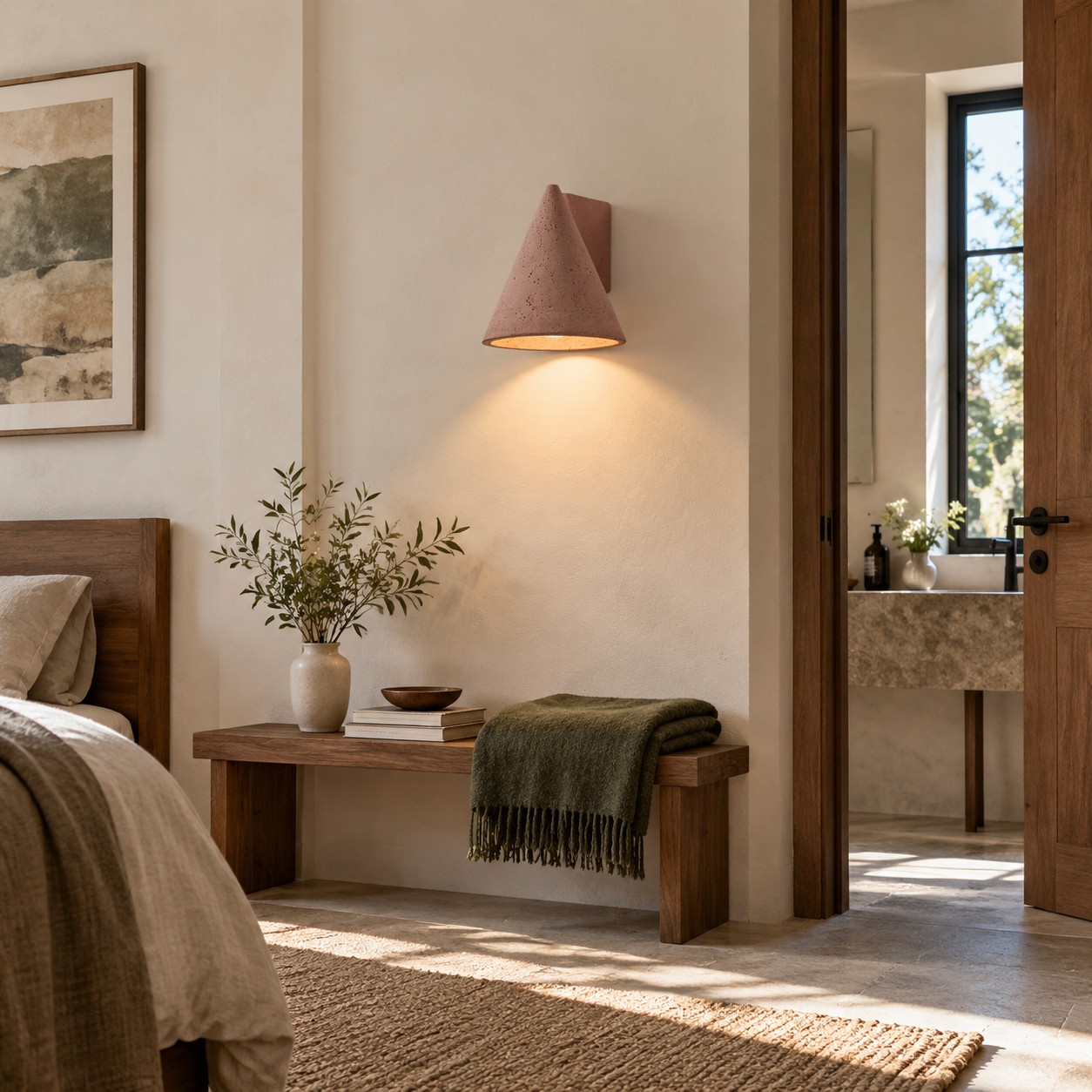
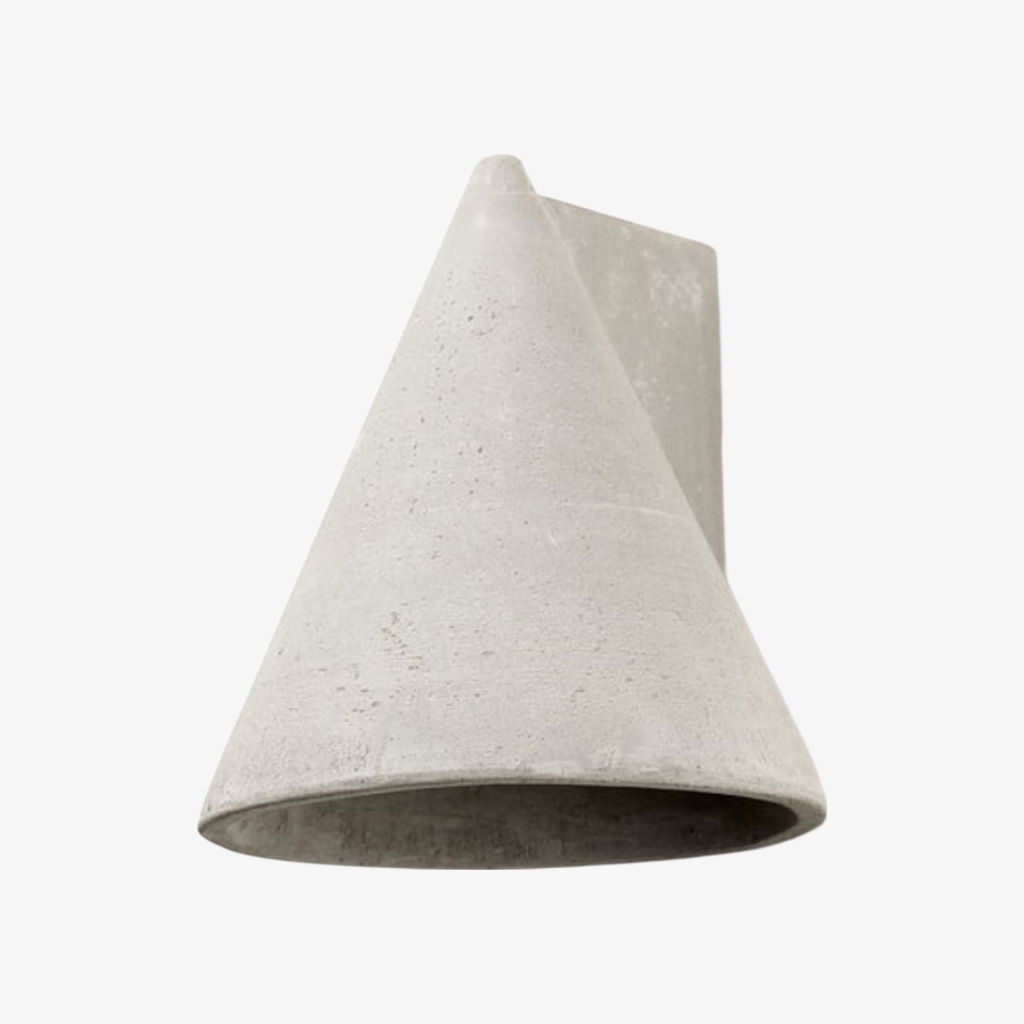
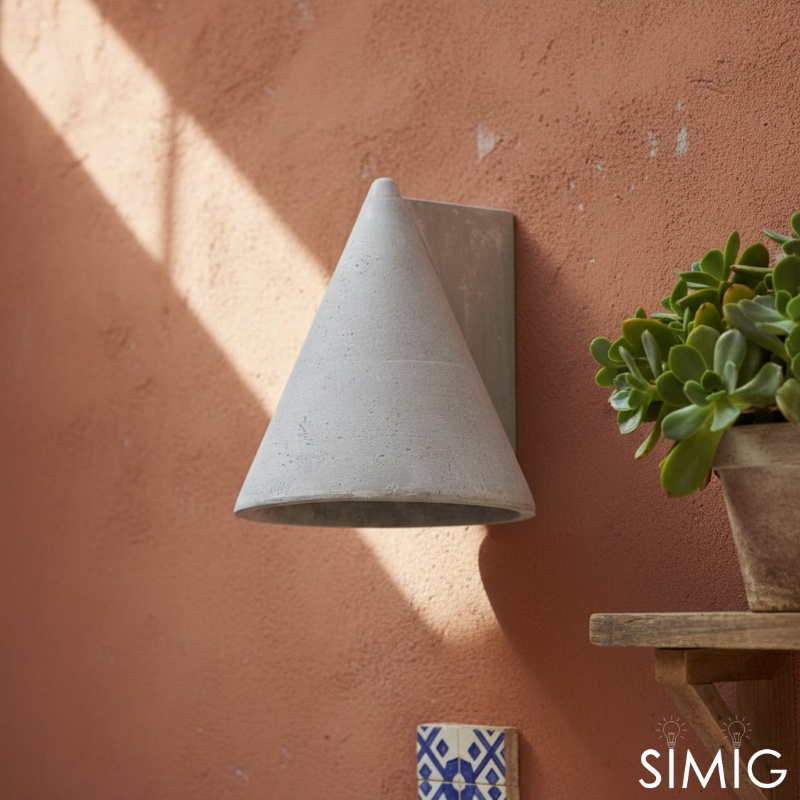
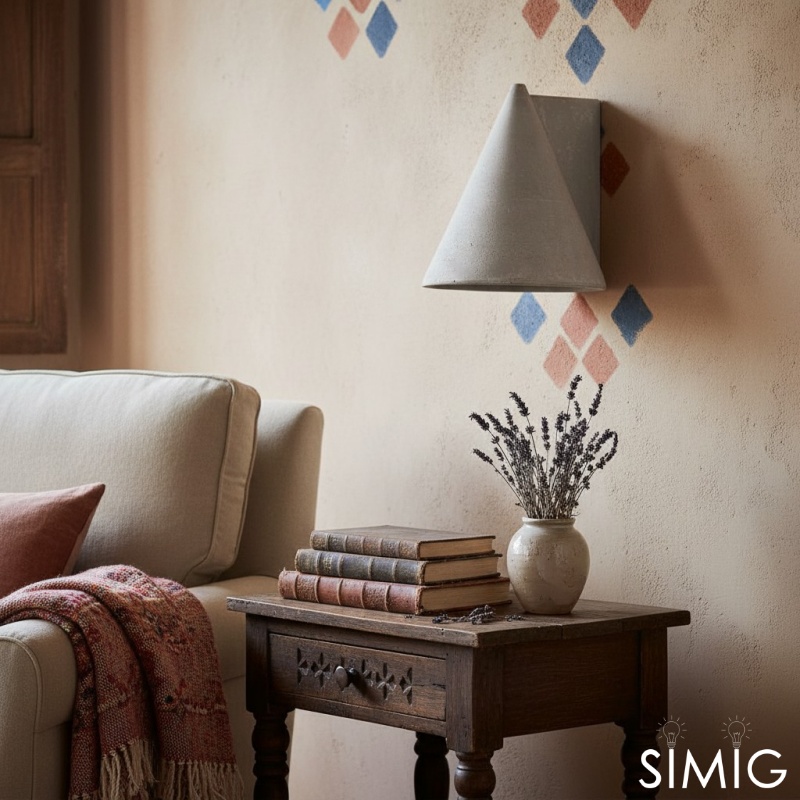
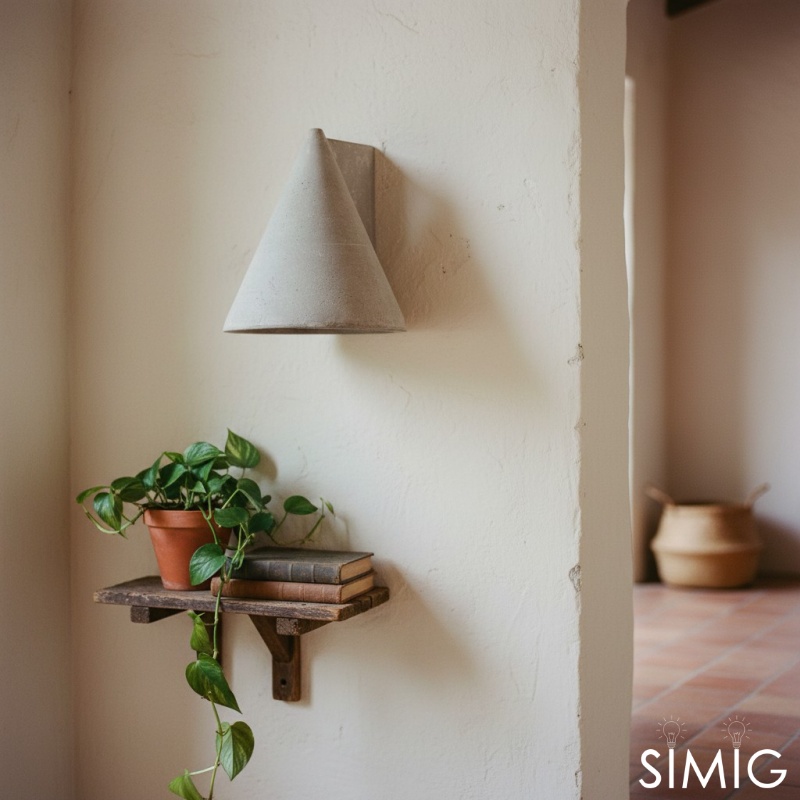
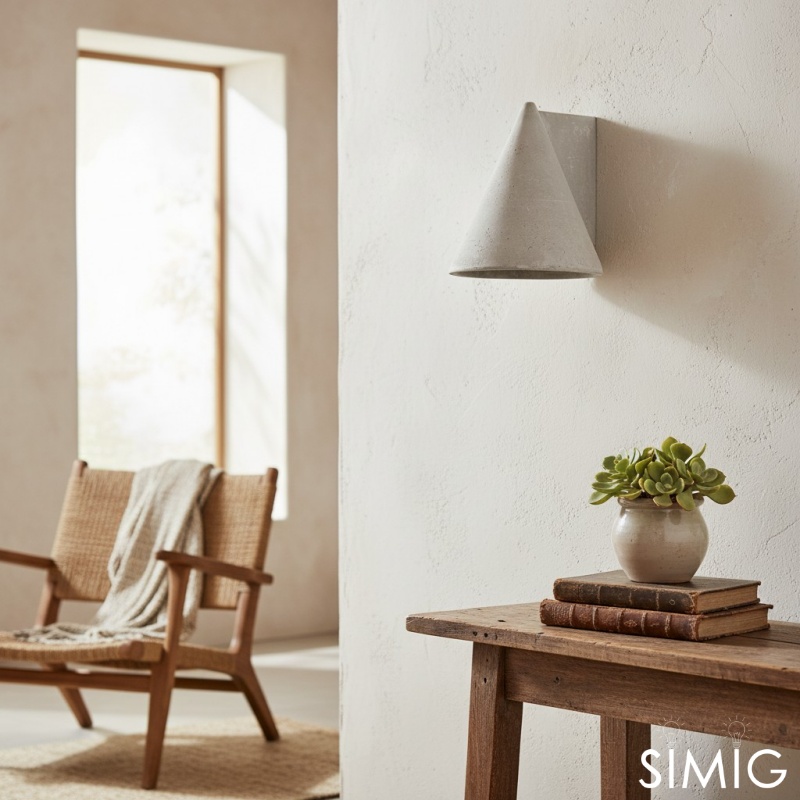
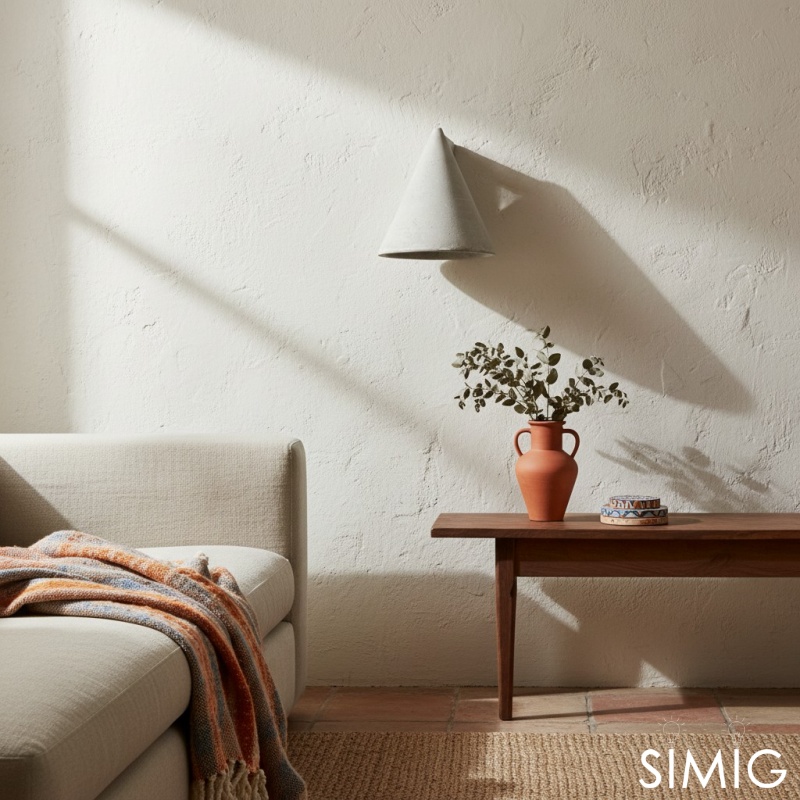
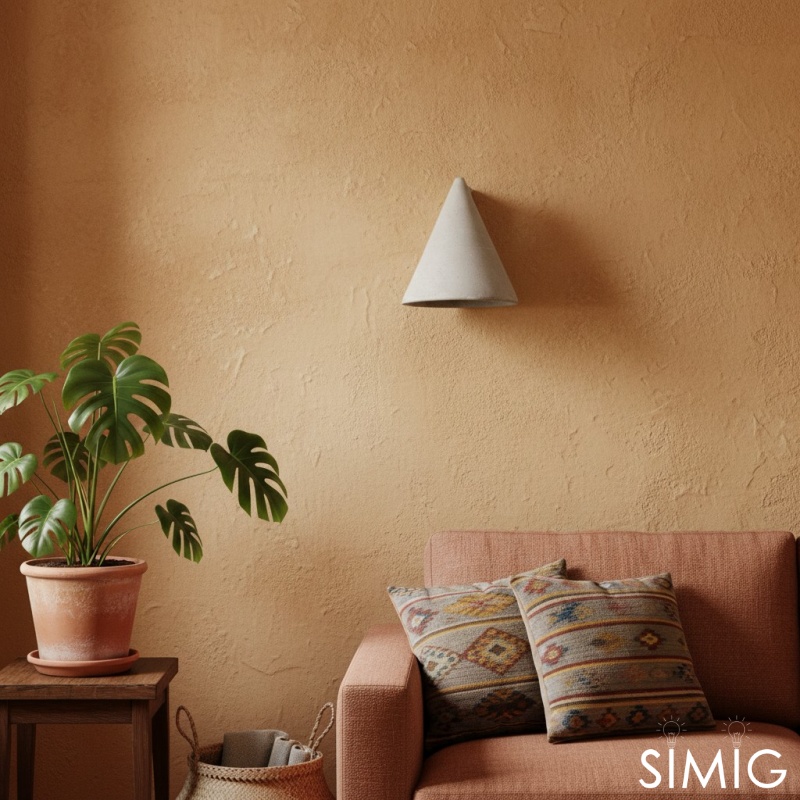
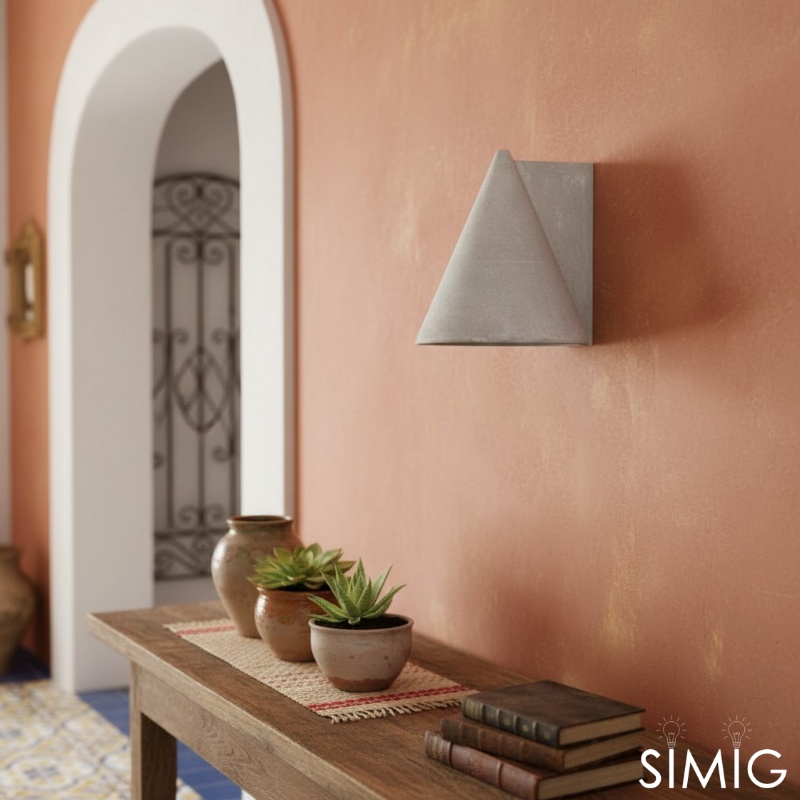
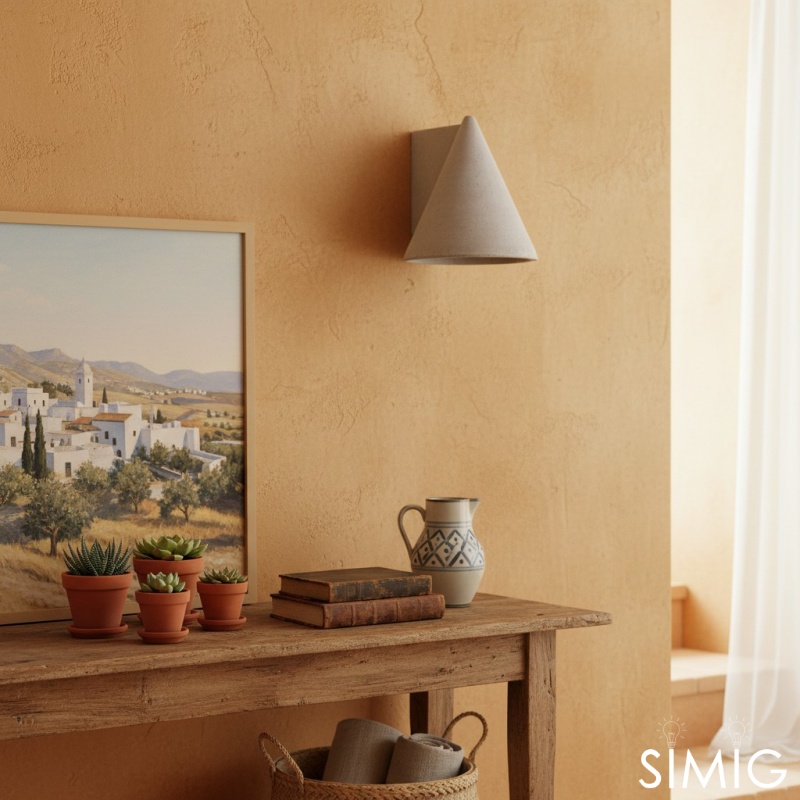
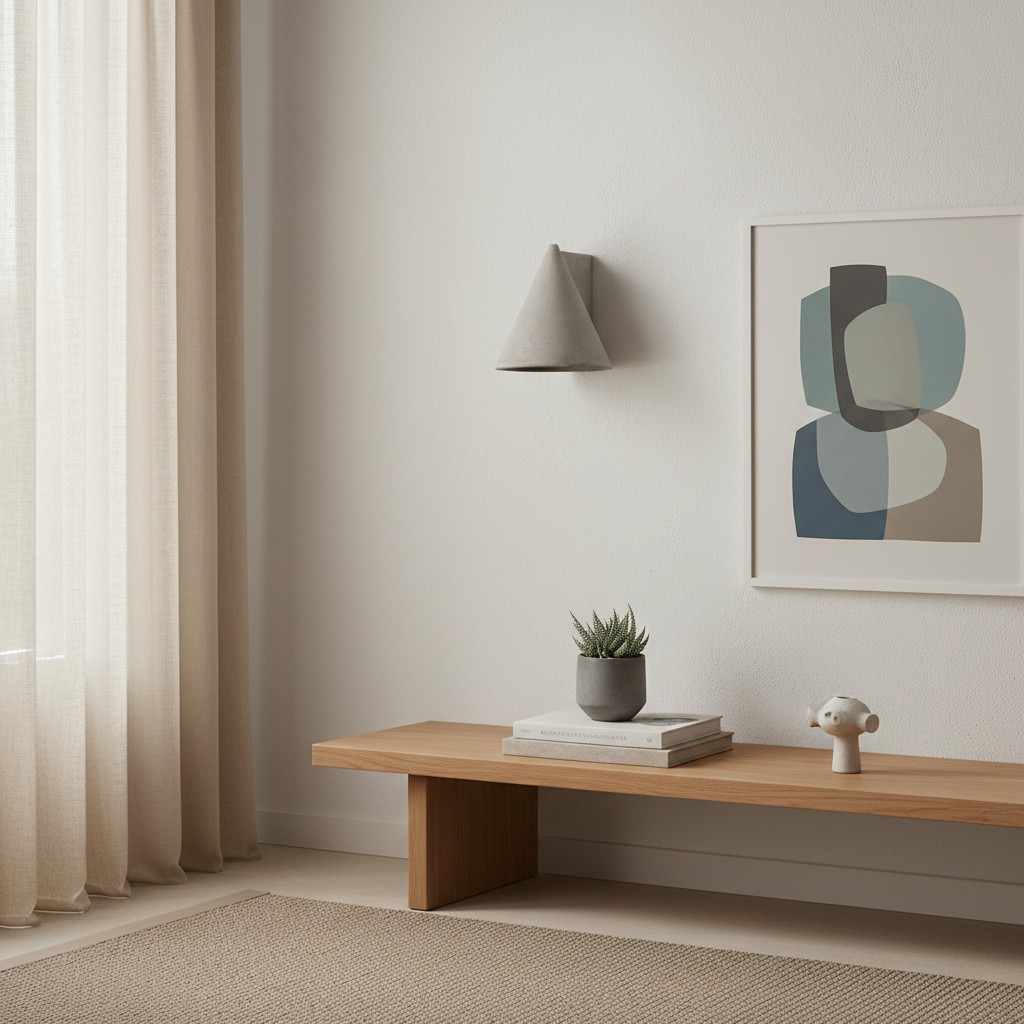
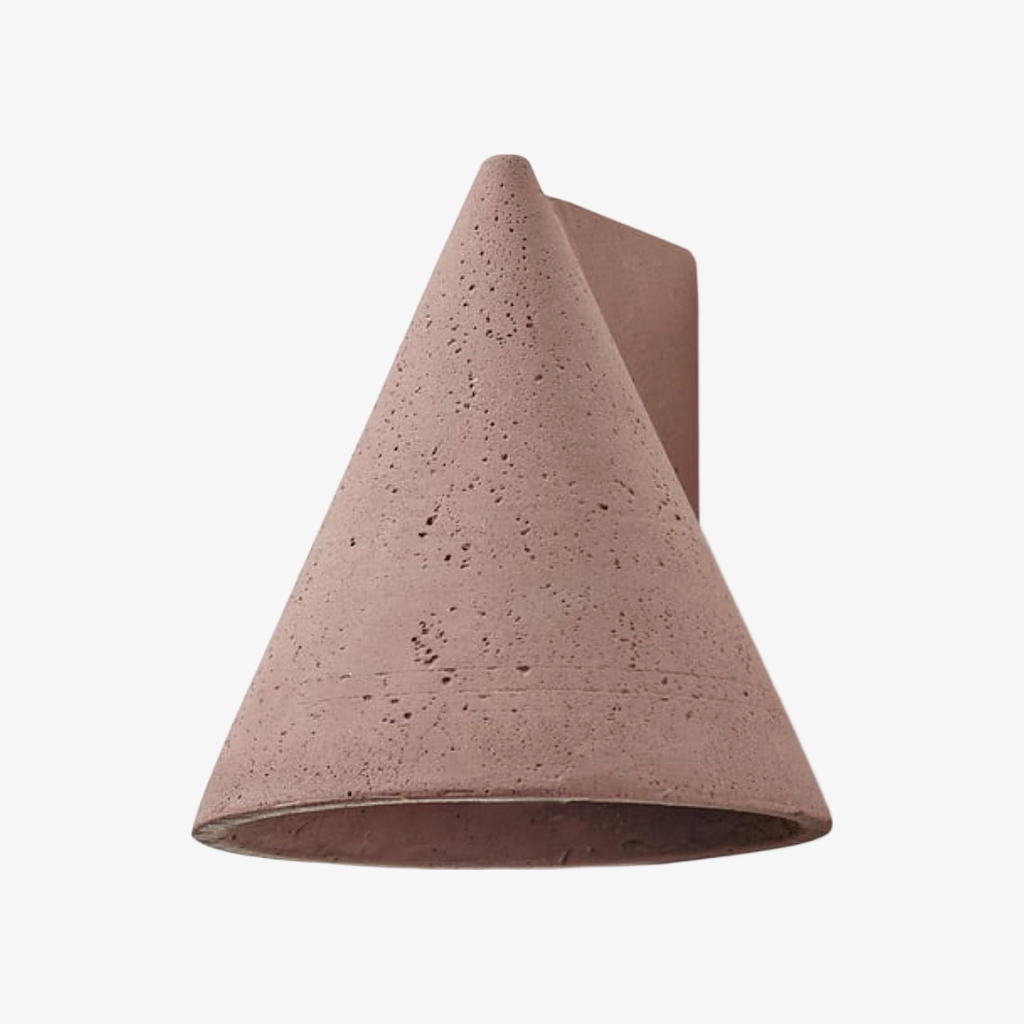
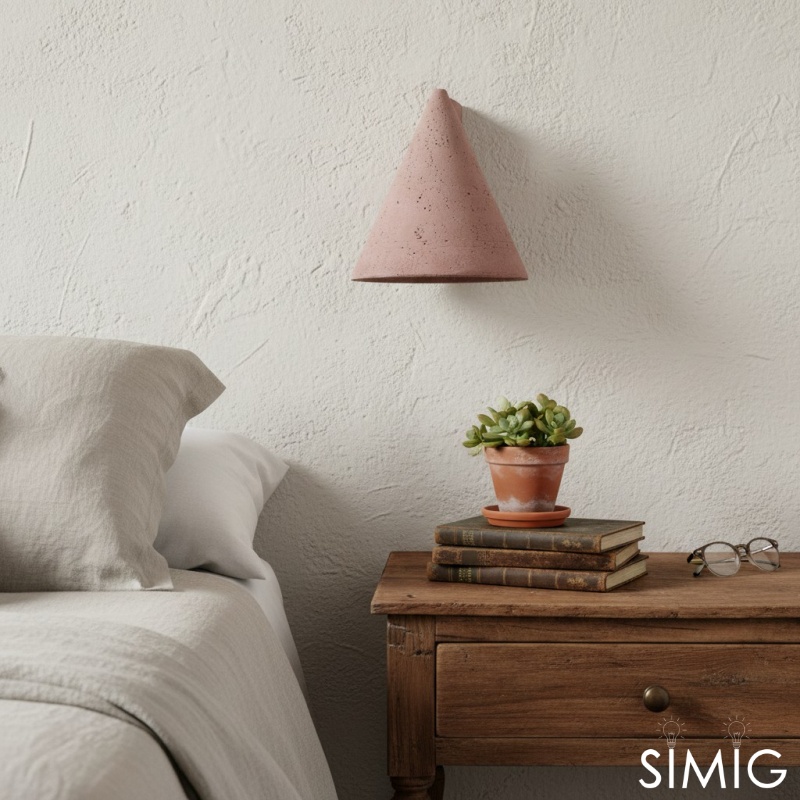
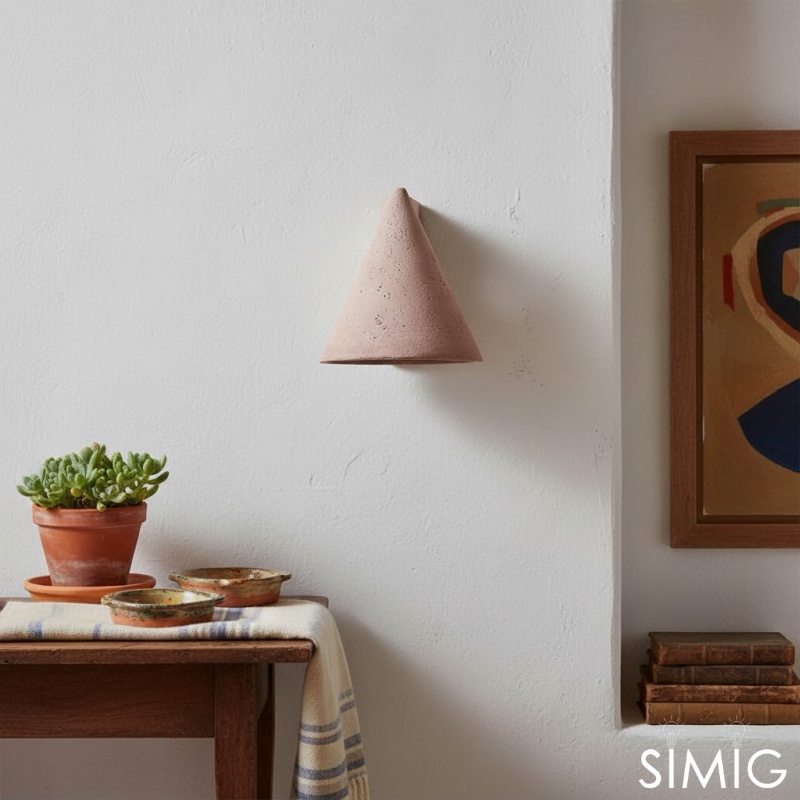
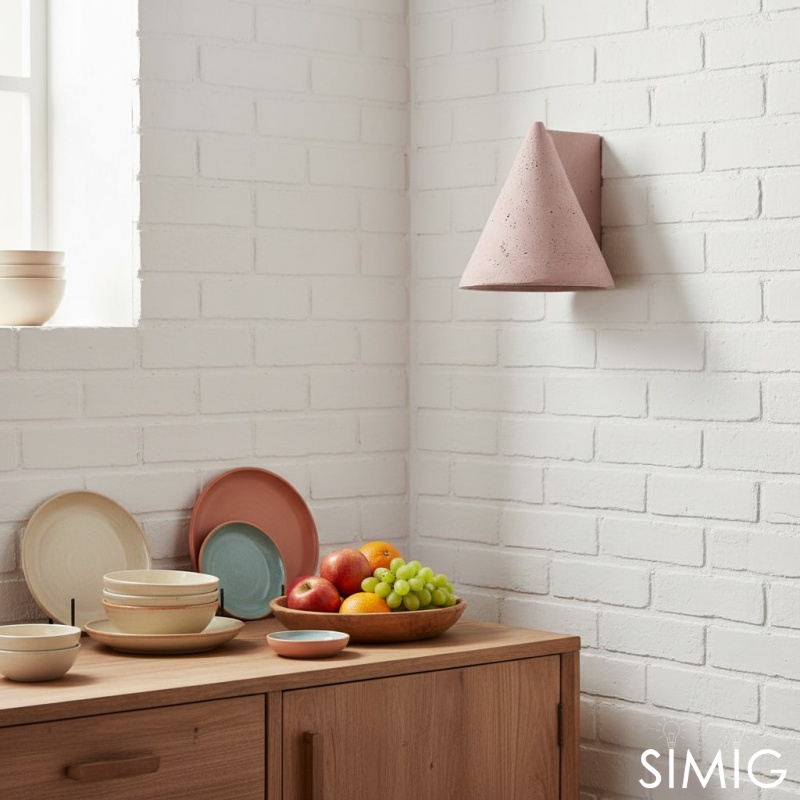
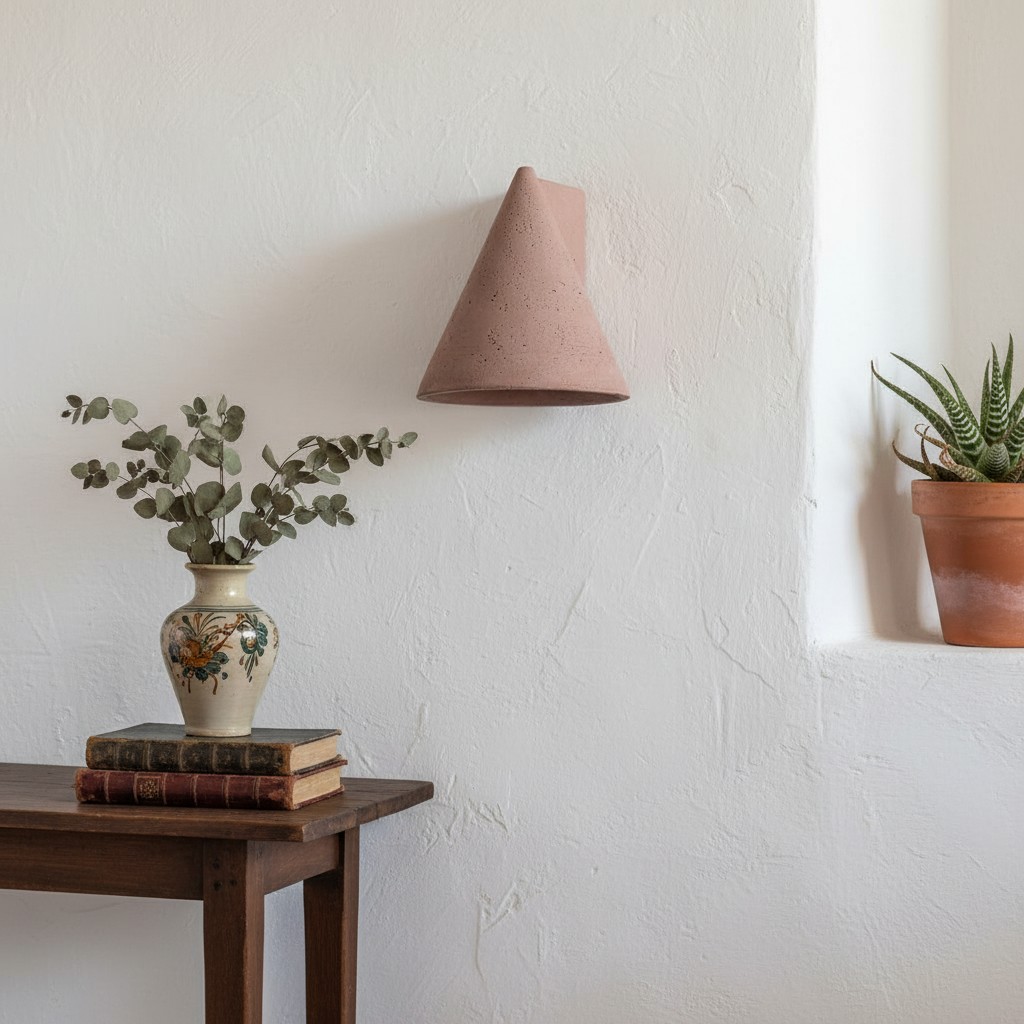
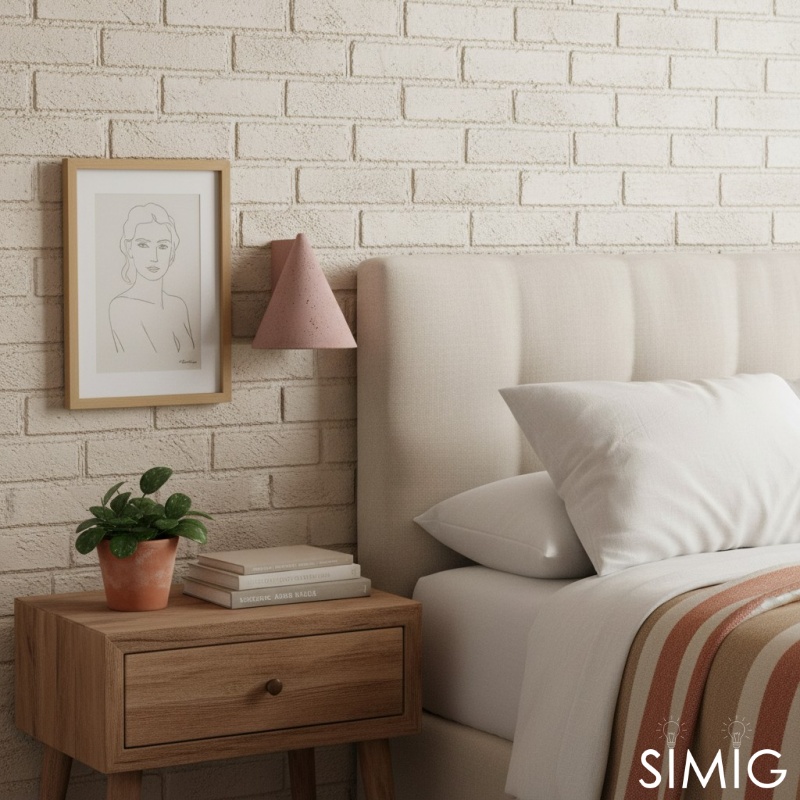
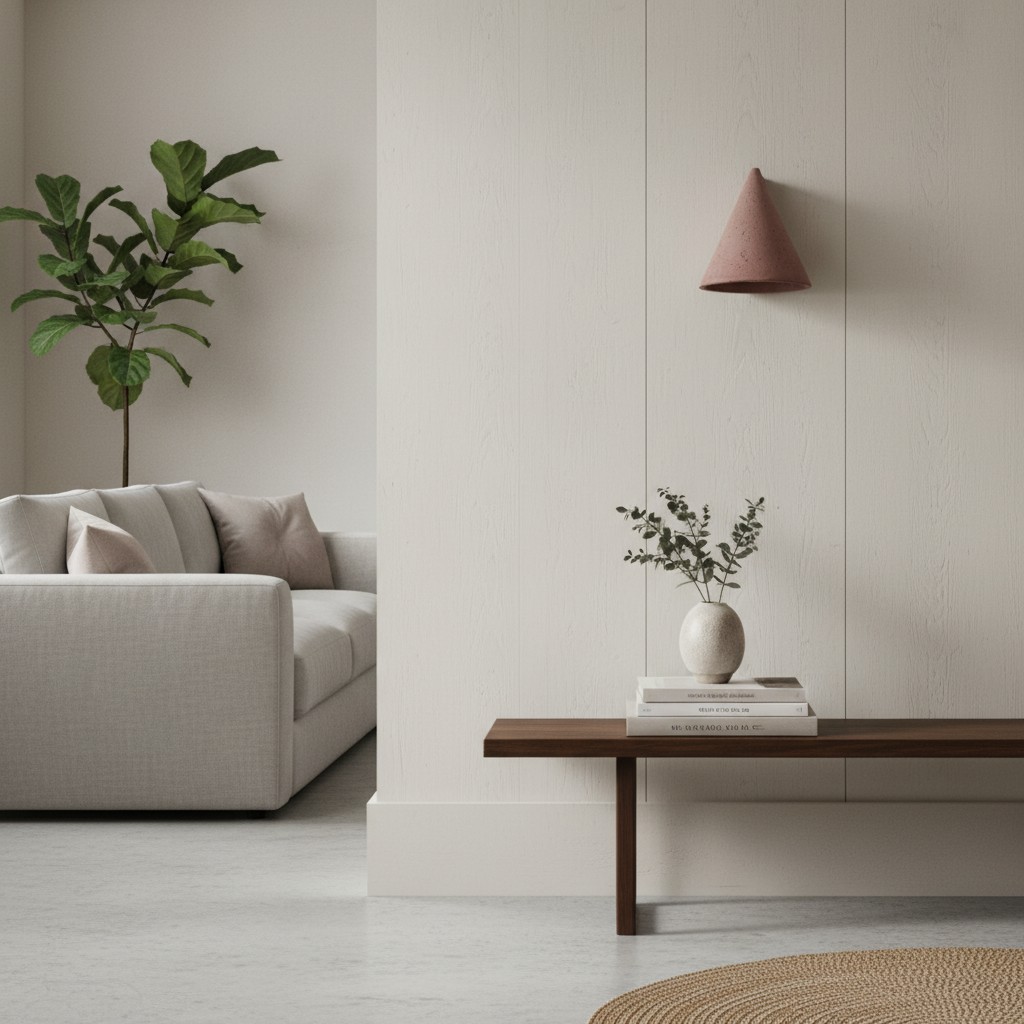
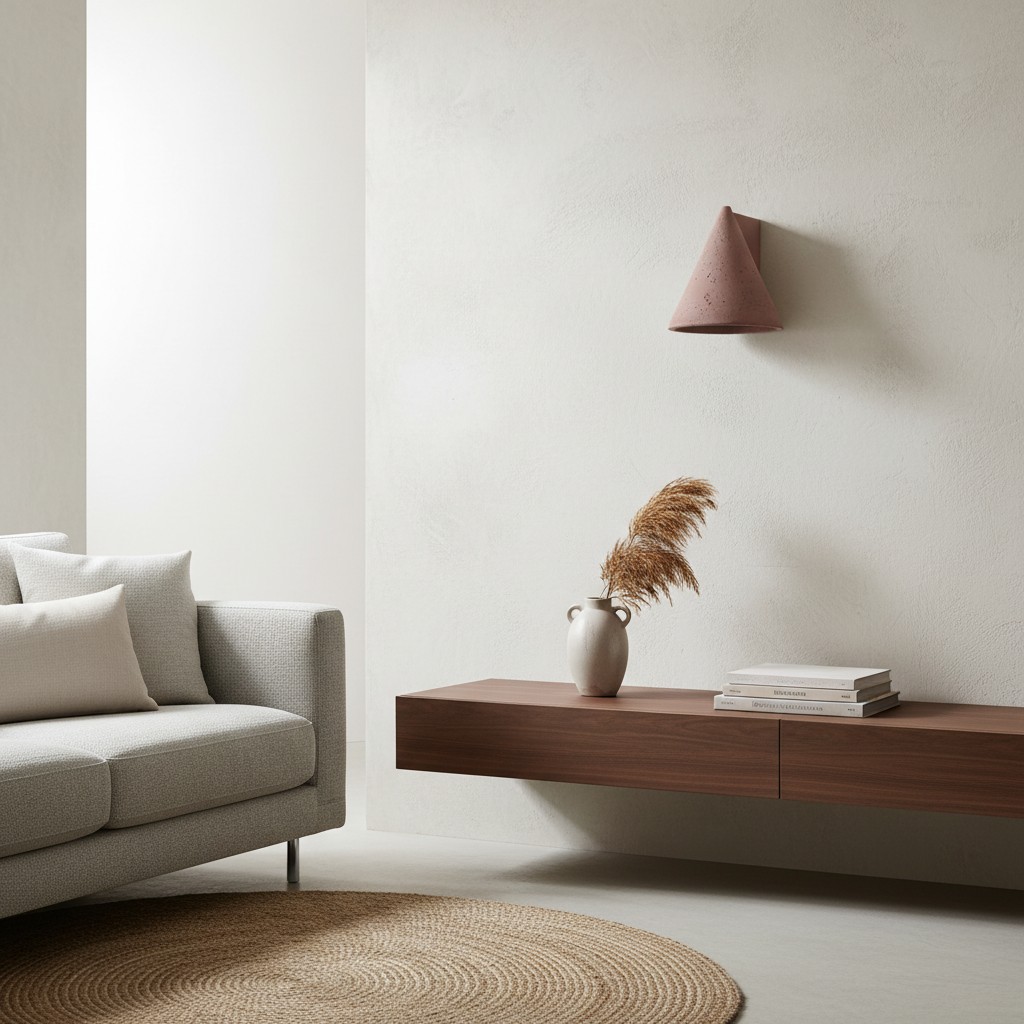
Hotels need repetition for maintenance, but memorable rooms still benefit from one object with a distinct shape or material. This is where a compact concrete sconce can work well. The Concrellia Tapered Concrete Wall Lamp measures 15 × 15 × 16 cm, comes in gray and brick red, and has enough texture to register without taking over the wall.
Use it as an ambient or decorative layer rather than the room’s main light. Its E14 source is rated at 5 W, and the bulb is not included, so the hotel can select a suitable warmth while keeping expectations realistic. Gray suits mineral, monochrome, and pale-timber rooms. Brick red gives warm-white, walnut, olive, or terracotta schemes a firmer accent.
6. Make sure the room still works in daylight
Guests see the room with every light off when they return after breakfast or open the curtains in the morning. A wall fitting that only looks convincing when glowing has a short shift. Its silhouette, material, and relationship to the furniture should still make sense in natural light.
That is why Can a Wall Light Still Feel Like Art When It’s Switched Off? matters in hospitality. A hotel room is photographed, cleaned, inspected, and lived in across the whole day. A tapered concrete form keeps a clear outline when unlit, so the wall retains some character even at noon.
Where small hotels often go wrong
The first mistake is trying to make every fitting a feature. If the bedside lights, pendant, mirror lights, desk lamp, and entry sconce all demand attention, the room feels like a showroom with a duvet. Pick one visual lead and let the rest support it.
The second is choosing atmosphere at the expense of use. A moody room is not charming when the guest cannot read the thermostat. The third is over-lighting. More lumens do not automatically create more comfort; they often remove the shadows that make materials and corners interesting.
For a small property, begin with the entrance sightline and bedside controls. Then add the night route. A distinctive concrete wall light can become the visual signature, while quieter fittings handle mirrors and tasks. That hierarchy is easier to maintain and easier for a guest to understand.
Frequently asked questions
What color temperature feels most hotel-like?
Warm light generally feels more restful in bedrooms and lounges. Keep mirror and task lighting clear enough for practical use.
Should hotel bedside lights match?
Usually, yes. Matching controls and light behavior reduce confusion, even when the wider room uses varied fixtures.
Can one wall light make a room memorable?
It can create the visual anchor, but the room also needs usable bedside, mirror, and route lighting.
Is a 5 W wall light enough for a hotel room?
No. It is an ambient or decorative layer and should be combined with brighter general and task lighting.
The guest remembers how easy the room felt
Memorable lighting is not a collection of dramatic fittings. It is a sequence: a clear welcome, an obvious bedside switch, a flattering mirror, a calm night route, and one object with enough personality to stick in the mind.
For a compact material accent within that sequence, explore the Concrellia Tapered Concrete Wall Lamp. Use it where guests first look, give its light room to spread, and let the rest of the scheme make their stay quietly easier.